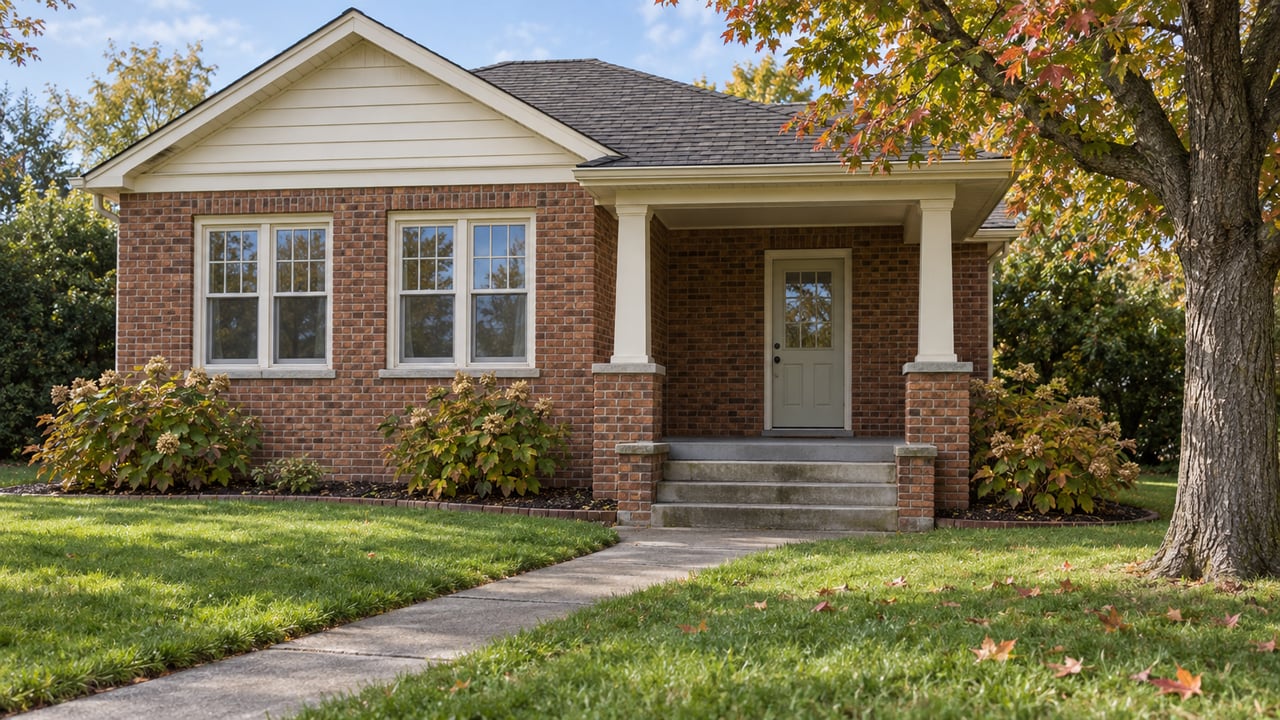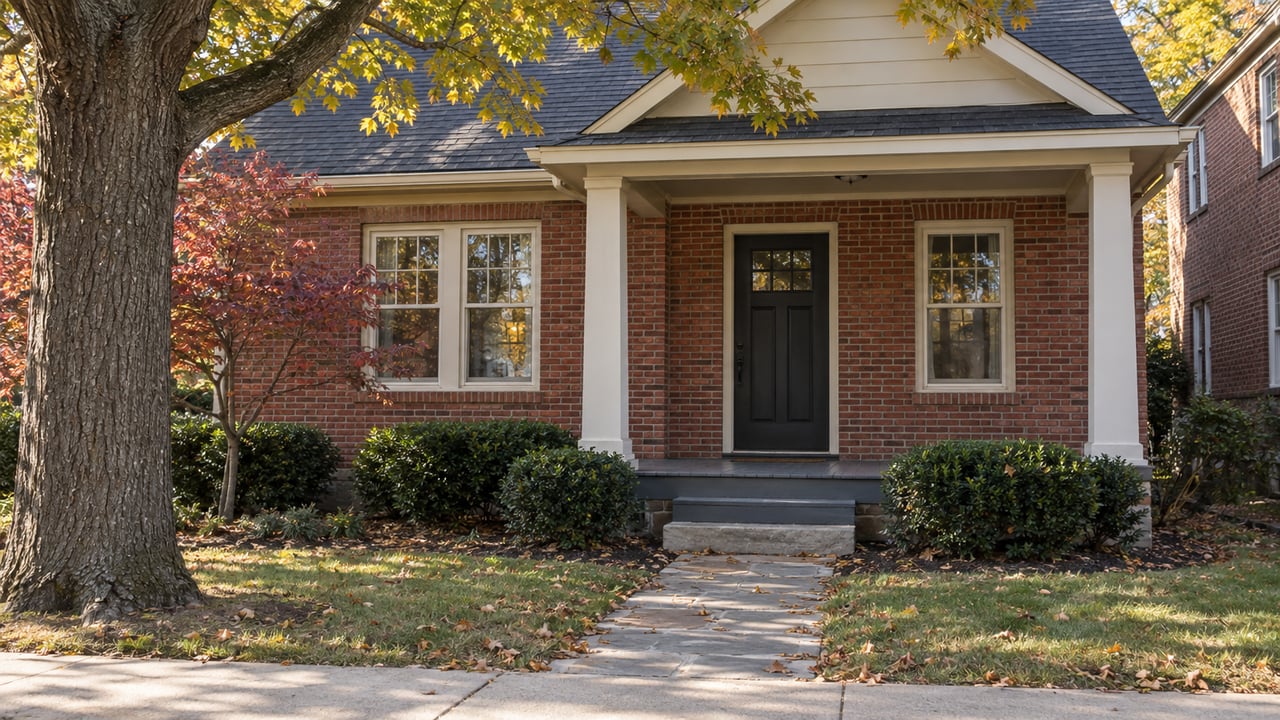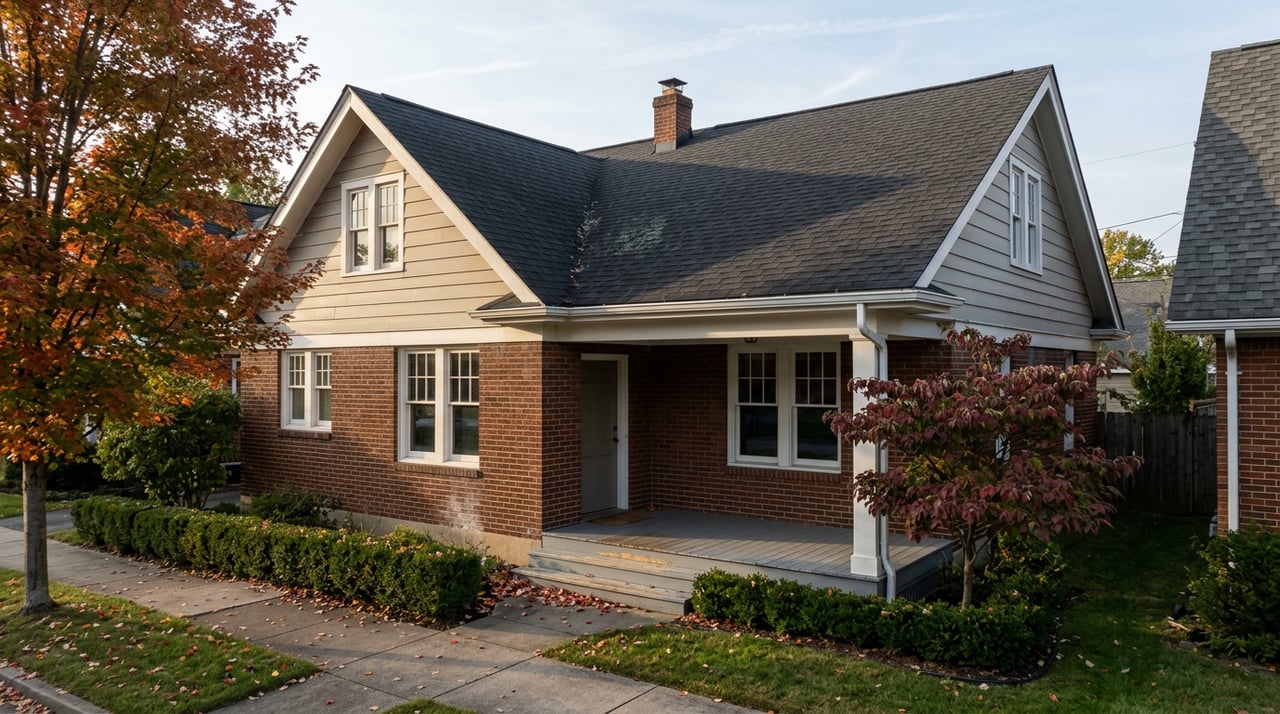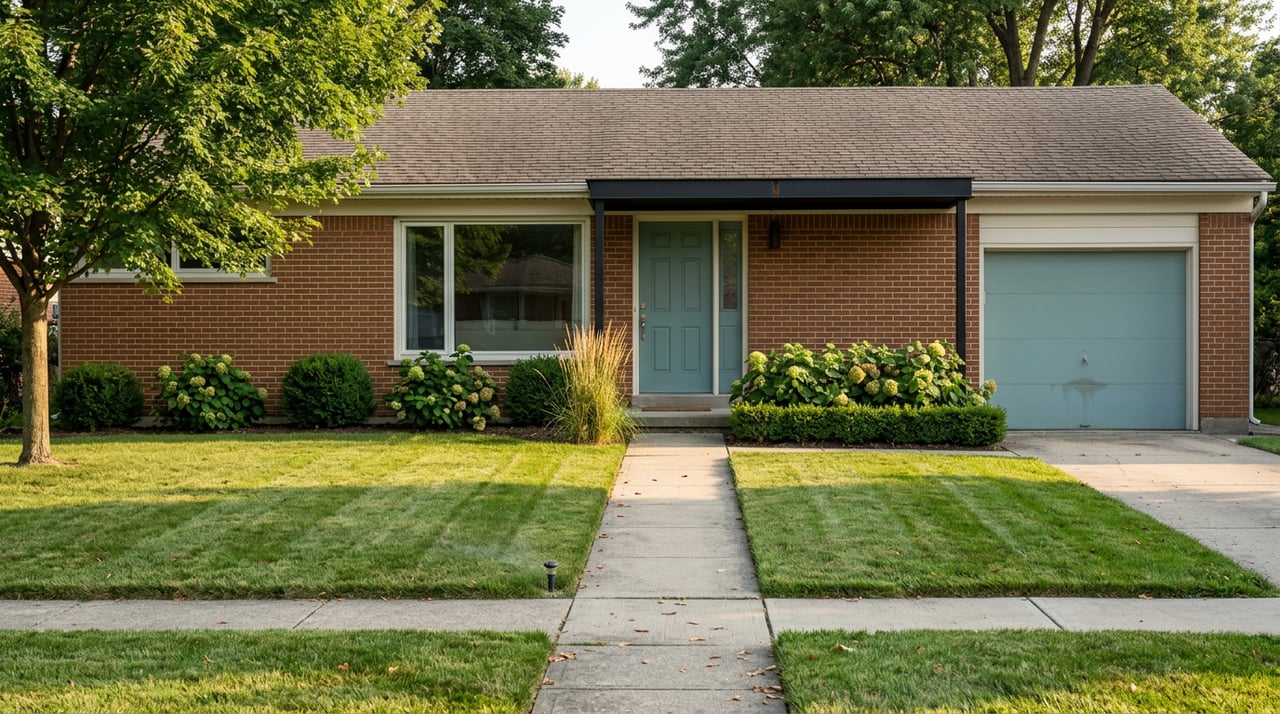
Greenbelt has Roosevelt Center. Laurel has Main Street. Hyattsville built an entire arts district around it. Beltsville has none of that, and residents who've lived here more than a summer or two have stopped waiting for one to show up.
What Beltsville has instead is a loop. It runs through a parking lot behind the USDA research campus, down a stretch of Route 1 that reads more like an atlas than a strip mall, into an industrial park where a whiskey is aged in oak, and ends most weekends in the basement of a Methodist church where four local actors just spent June arguing about what a traffic stop does to a family. None of these places were built to be a destination together. That's exactly why they work as one.
Tuesday Nights Belong to a Parking Lot
The USDA Beltsville Farmers' Market sets up in Parking Lot B at 5601 Sunnyside Avenue, and it has for years, tied to the same agricultural research center that gives the neighborhood its name. It runs seasonally, May through October, which means the market itself is a clock: once the tables come down in the fall, everyone knows what month it is.
What actually shows up on those tables says more about the neighborhood than any single restaurant review could. Westmoreland Produce comes up from Virginia. Harris Orchard and Melwood Horticulture bring Maryland fruit and plants. Margaret's Soul Food and Hardy's BBQ handle the prepared side, with Upper Crust Bakery, Just Velvet Desserts, and Uncle's Water Ice covering everything sweet. The Maryland Department of Agriculture has designated 2026 the International Year of the Woman Farmer, and that framing shows up in who's actually running the booths here, not just in a press release somewhere.
It's a small market by regional standards. It doesn't need to be bigger. It needs to be the thing that starts the week's rhythm, and it does.
The Restaurant Corridor Nobody Planned
Drive Route 1 through Beltsville and you'll pass Swahili Village at 10800 Rhode Island Avenue, a dedicated location for East African grill and bar food that didn't exist here a few years back. Keep going and you'll find a new Beltsville branch of Marisqueria Los Primos, the seafood spot that built its reputation in Laurel before deciding Beltsville deserved its own kitchen. Milk & Honey Southern Inspired Kitchen draws brunch crowds who talk about portion size more than presentation. Sardi's Pollo a la Brasa runs a Peruvian rotisserie chicken menu deep enough that regulars order six side dishes for a group and call it a meal.
Then there's Mandarin Delight, tucked into a strip mall on Montgomery Avenue near Route 1. One longtime customer put it plainly on a neighborhood forum: nearly 20 years of eating there and never a bad meal. That's not the kind of endorsement a restaurant earns from tourists. It's the kind that comes from a place being someone's Tuesday-night default for two decades.
The Washington Post noticed this pattern before most guidebooks did, writing that the neighborhood's dining scene "deserves more than local buzz. It deserves the attention of diners from across the D.C. region." What's easy to miss in that line is the implication buried inside it: the buzz was already local. Beltsville didn't need outside validation to know its own food scene was worth the drive. It just took a while for anyone outside the Beltway to catch up.
None of these restaurants sit on a walkable block together. You're driving between most of them, sometimes just a few minutes, sometimes further down the corridor. That's the opposite of the compact downtown model other neighborhoods lean on for their identity. Beltsville's food scene works because it's distributed, not despite it.
A Distillery in an Industrial Park
Ask someone who doesn't live here to guess what's inside a nondescript building at 10360 Southard Drive, and a craft whiskey distillery won't be the first answer. But that's where Shmidt Spirits has operated since founder Arthur Shmidt started it in 2020, working alongside Master Distiller Brian Roan to build out a lineup that now includes a rye-and-wheat Silver whiskey, a citrus-and-lavender Viridian gin, and a hibiscus cordial called Agua Hibisco.
The distillery's own tasting room keeps weekend hours built for exactly this kind of loop: Friday cocktail hours from 5 to 8pm, Saturday tours and tastings from 10am to 5pm, Sunday from noon to 5. Dogs are welcome on the distillery floor, which tells you something about who Shmidt built this for. It wasn't designed as a tourist stop. It was designed as a neighborhood one, which happens to be more interesting because almost nobody expects to find it here.
Saturday Night Is a Church Basement
This past June, UpStage Artists staged Christopher Demos-Brown's American Son at Emmanuel United Methodist Church on Cedar Lane, with four local actors, Tiffany Jackson, Doug Richesson, Ned Kieloch, and Edward V. Crews, carrying a 90-minute drama about a biracial couple confronting what happened to their son after a traffic stop. Tickets ran $15. The June 6 matinee included a talkback with the cast and director.
UpStage has been doing this since forming as a community theater group in 2019, and their fall lineup keeps the momentum going. Their next production, Dashiell Hammett's The Maltese Falcon, directed by John Cusumano, runs September 18 through 20 and again September 25 through 27, with tickets at $11.50. That's community theater priced for people who might come back next month, not for a one-time splurge.
There's no marquee on Cedar Lane announcing any of this. You have to already know the church doubles as a stage, the same way you have to already know the industrial park on Southard Drive holds a working distillery. Beltsville rewards people who pay attention to what's actually here rather than what's advertised.
What the Loop Actually Proves
Put these pieces next to each other and a pattern emerges that no single write-up about "hidden gems" quite captures. Beltsville isn't missing a center. It's operating on a model where the center is wherever you happen to be that week: a research center's parking lot on Tuesday, a Peruvian chicken counter on Thursday, an industrial park pour on Saturday afternoon, a church sanctuary turned stage on Saturday night. Every one of these institutions was built by someone solving a specific, local problem, not by a developer trying to manufacture a downtown.
That's a different kind of density than the ones with a Main Street sign at one end and a fountain at the other. It asks more of the people living here, since nobody hands you a map. But it also means the neighborhood's character doesn't depend on one storefront staying open or one anchor tenant renewing its lease. Beltsville's version of a town center is distributed across enough independent, specific places that no single closure could take the whole identity down with it.
If you've lived here a while, none of this is news exactly, but it might be the first time someone's laid out why the pattern holds together instead of just listing what's open this month.
Beltsville's rhythm is easy to take for granted until you try to explain it to someone who's thinking about moving here. If you're weighing what a specific block, co-op, or corridor in Beltsville or the surrounding Prince George's County area actually offers, Kim Kash has spent years working these neighborhoods block by block. Let's connect.