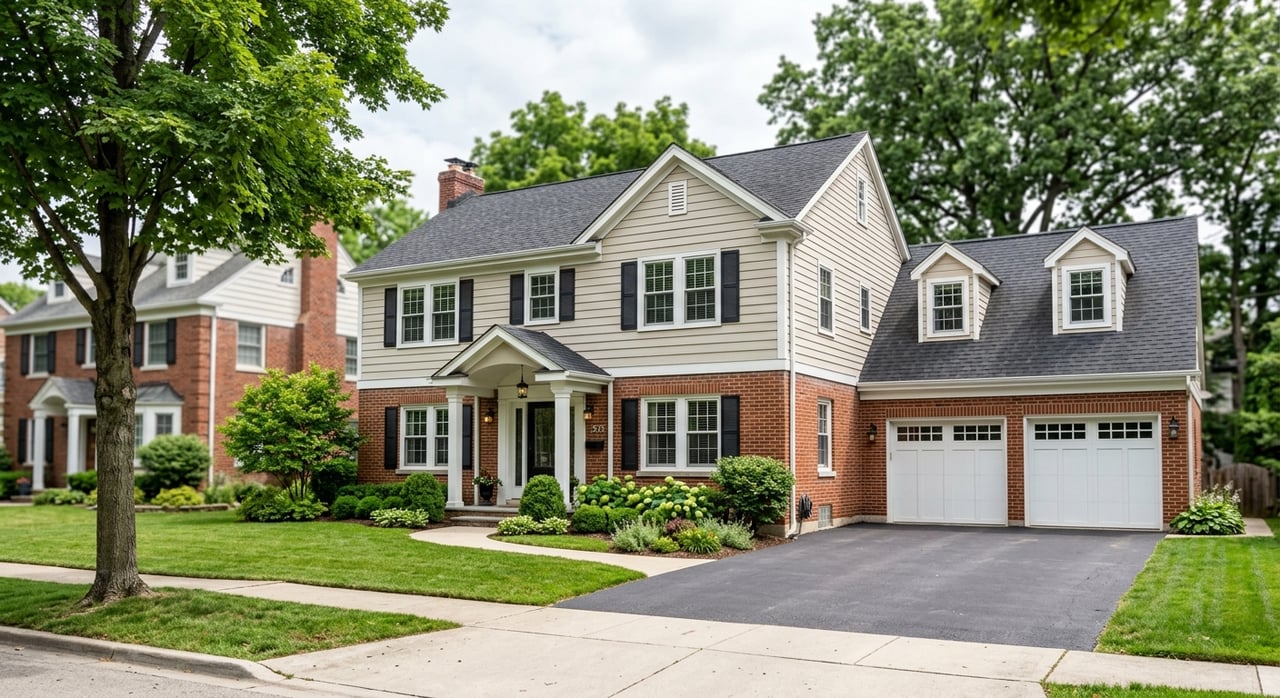
Thinking about leaving DC or Baltimore, but not ready to give up convenience? Silver Spring often lands in that sweet spot where you can stay connected to the region while choosing from a wider mix of housing and a different daily pace. If you are weighing transit, home styles, taxes, and what day-to-day life might actually feel like, this guide will help you sort through the big decisions before you make a move. Let’s dive in.
Why Silver Spring Appeals to Relocators
Silver Spring sits just north of Washington, DC, inside I-495, and Montgomery Planning describes downtown as an urban center that serves nearby residential communities and the larger region. That matters if you want access to city jobs, transit, and services without focusing only on a downtown core. In practice, many buyers are choosing between a more transit-oriented downtown search and nearby neighborhood settings that are still part of the broader Silver Spring market.
It also helps to know that Silver Spring is not a separate municipality in the way some buyers expect. The area is served by county offices, including the Silver Spring Regional Services Center, and downtown has an Urban District that provides enhanced services in the central business district. For you, that means local services, taxes, and community planning can look different from what you may be used to in DC or Baltimore.
Compare the Commute First
If you are relocating for work or trying to stay connected to either city, your commute should shape your home search early. In Silver Spring, transit access can vary a lot depending on whether you want to be near the downtown station area or in a nearby residential section.
Commuting to DC From Silver Spring
WMATA lists Silver Spring as a Red Line station connected to the Paul S. Sarbanes Transit Center. The station is steps from downtown Silver Spring’s arts district, which makes it a practical option if you want to walk to Metro, dining, or everyday errands.
One key detail is that the station does not have parking. If you are used to a park-and-ride setup, Silver Spring may feel different. Walkability, bus connections, and feeder transit can matter more here than they do in more car-oriented suburbs.
Purple Line construction is also affecting access around the station through 2026. WMATA says Purple Line service is slated for late 2027, with direct connections to Silver Spring Metro and MARC. If you are planning a move now, it is smart to think about both current construction conditions and the long-term transit upside.
Commuting to Baltimore From Silver Spring
For Baltimore commuters, the rail picture is a little more layered. MARC’s Brunswick Line serves Silver Spring, while MARC’s Penn and Camden lines terminate at Washington Union Station. A practical rail commute from Baltimore to Silver Spring can mean taking MARC to Union Station and then transferring to Metro’s Red Line.
That does not make every Silver Spring location equal. If you expect to rely on rail often, being close to Metro or easy feeder transit may be more useful than buying farther out and planning to drive to the station. Since there is no Metro parking at Silver Spring station, location strategy matters.
Downtown or Nearby Neighborhoods?
This is one of the biggest decisions for buyers relocating from DC or Baltimore. Silver Spring offers a meaningful mix of housing types, but where you search will strongly shape what you find.
The latest ACS estimates for the Silver Spring CDP show 35,774 housing units. About 43.6% are in buildings with 20 or more units, while 29.6% are detached single-family homes. The same data shows 61.7% of homes are renter-occupied, which helps explain why some parts of Silver Spring feel denser and more apartment-oriented than buyers first expect.
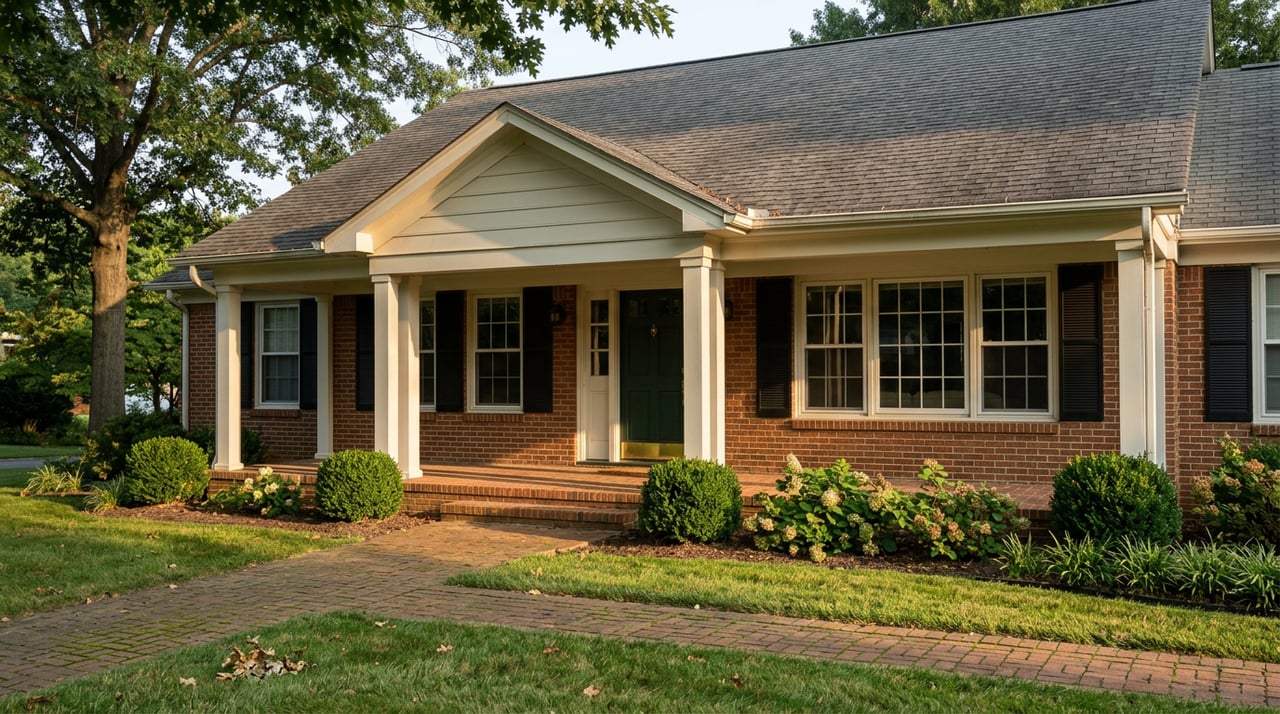
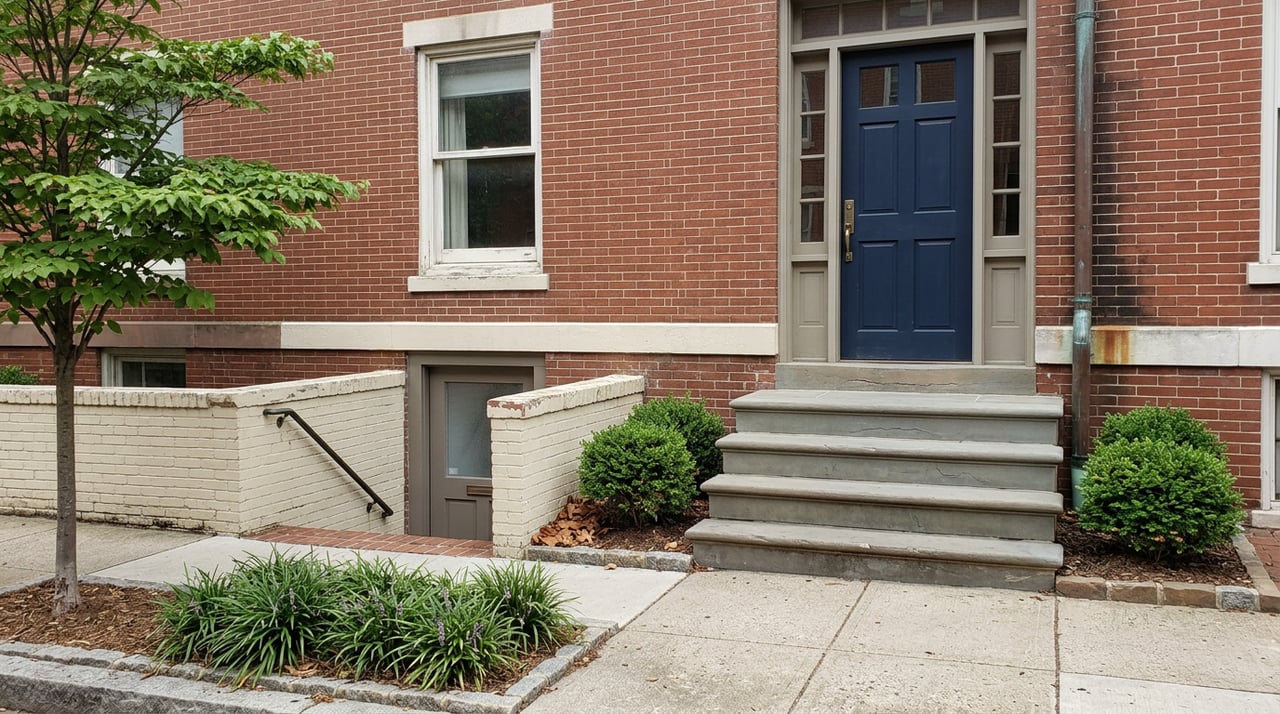
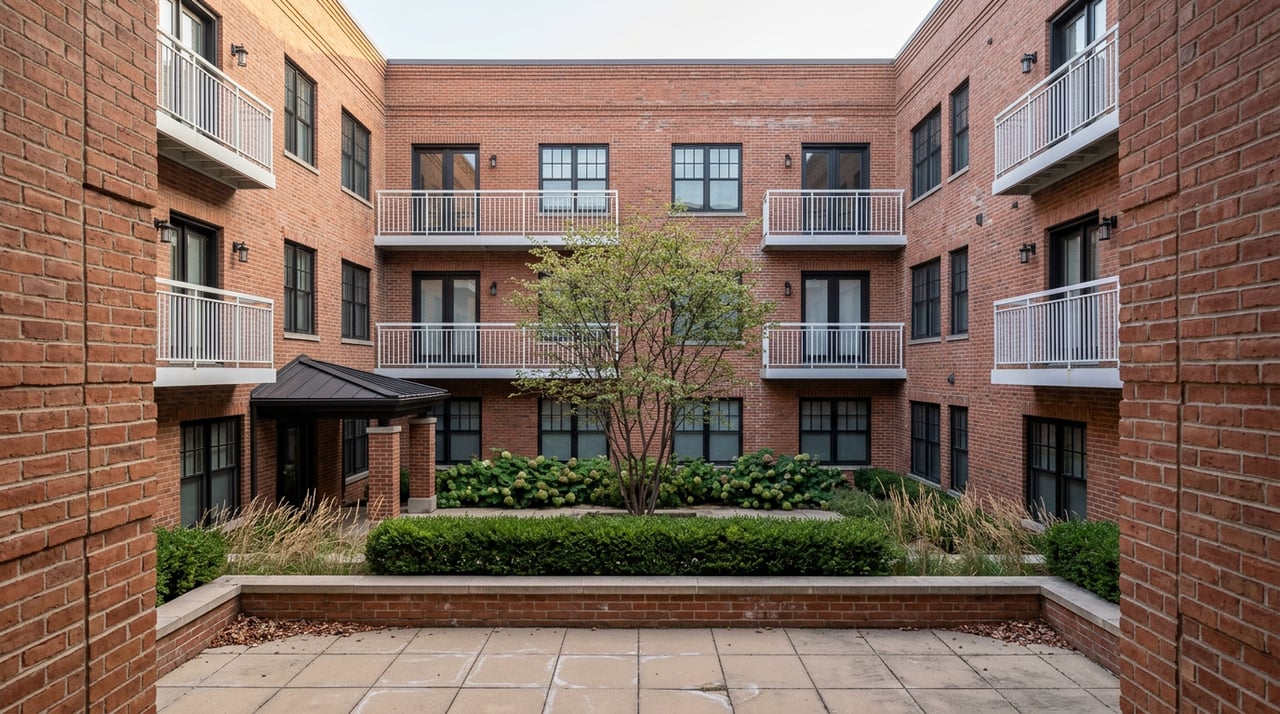
A simple way to think about it is this: downtown Silver Spring tends to lean toward condos, apartments, and transit convenience. As you move into surrounding sections of the broader market, detached houses and townhomes become more common.
What Downtown Silver Spring Offers
Montgomery Planning describes downtown Silver Spring as a lively mix of shops, restaurants, offices, and civic uses. The 2022 downtown plan also calls for diverse housing types, open space, and walkable streets. If you want an urban environment with strong transit access and a more car-light routine, downtown may line up well with your goals.
For some buyers coming from DC, this can feel like a familiar rhythm with a different price point and housing menu. For others coming from Baltimore rowhouse or neighborhood settings, downtown Silver Spring may feel more vertical and mixed-use than expected. That is why it helps to decide whether your top priority is walkability, home size, or commuting ease.
What Nearby Areas Can Change
The downtown plan boundary extends into nearby areas including Woodside, Woodside Park, and East Silver Spring, all within about a half-mile or ten-minute walk of the future Silver Spring Library Purple Line Station. This helps explain why a Silver Spring search does not have to mean choosing between only high-rise living and a long suburban drive.
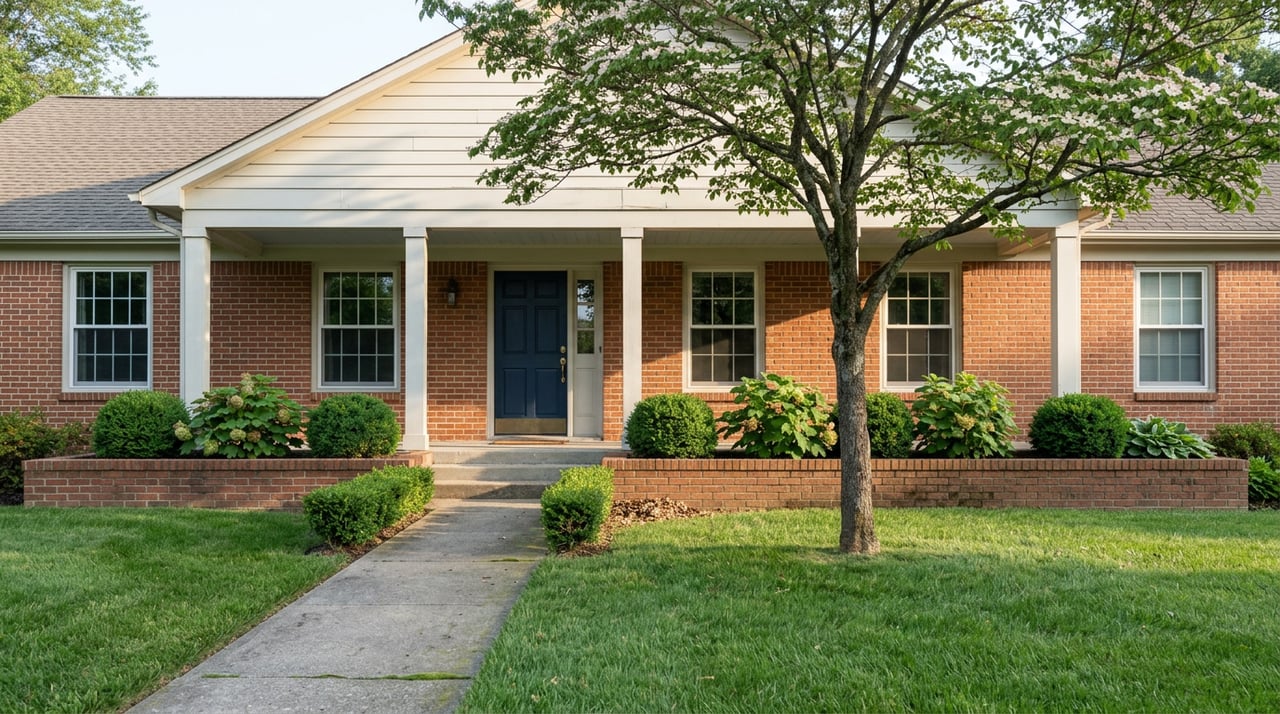
In these nearby sections, you may find a different street feel while staying connected to the larger Silver Spring hub. For buyers who want more interior space, a yard, or a townhouse or detached home, this part of the market can be worth close attention.
What Housing Costs Suggest
Silver Spring’s latest ACS data shows a median owner-occupied home value of $643,300 and a median gross rent of $1,913. Those numbers do not tell you exactly what a specific home will cost, but they do give you a useful starting point for budgeting and comparing your options.
If you are relocating from DC, those figures may help you think about tradeoffs between location, size, and property type. If you are moving from Baltimore, they may highlight the importance of narrowing your target area and monthly budget early. In both cases, it helps to compare not just sticker price, but also taxes, association fees, and commuting costs.
Understand Taxes Before You Offer
One of the easiest mistakes in a relocation move is assuming property taxes will work the same way they do in your current market. In Montgomery County, tax revenues support county services such as police, transportation, health and social services, libraries, and schools, and some parcels may also have special area taxes depending on location.
Montgomery County’s homestead tax credit limits annual assessment growth to 10 percent in most of the county. However, it does not apply in the first year after purchase. The county also requires sellers to disclose the next-year property tax because a buyer’s first-year tax bill can be materially different from the seller’s current bill.
That means you should not rely only on a current tax figure when estimating monthly ownership costs. A home that looks manageable at first glance may carry a different first-year bill than you expect.
Review Condo and HOA Documents Carefully
If your Silver Spring search includes a condo, co-op, or HOA property, document review deserves real attention. Montgomery County requires condominiums, cooperatives, and homeowners associations to register annually with the county, and the county provides guidance on what buyers should review before purchasing.
According to Montgomery County, you should review:
- Governing documents
- Bylaws and rules
- Budget
- Monthly assessments
- Reserve fund
- Insurance
- Any pending judgments or lawsuits
This step matters even more for relocating buyers because association rules and fees can be very different from what you knew in DC or Baltimore. A monthly payment is not just about the mortgage. It can also include a meaningful association component that affects affordability and day-to-day use of the property.
Plan for Closing Costs Carefully
Closing costs are another area where assumptions can cause stress. Montgomery County changed recordation tax tiers effective October 1, 2023, which means estimates should be confirmed for your specific transaction rather than borrowed from another market.
If you are comparing a move from DC or Baltimore, this is especially important. Two homes with similar prices can still create different cash-to-close numbers based on local taxes, fees, and property structure. Getting a local estimate early can keep your budget grounded in the reality of the transaction.
A Smart Relocation Strategy
If you are moving to Silver Spring from DC or Baltimore, the best first step is usually not picking a listing. It is defining the version of Silver Spring that fits your routine.
Start by clarifying a few basics:
- Do you want to walk to Metro or rely on feeder transit?
- Are you looking for a condo, townhouse, or detached home?
- Is your priority commute time, home size, or lower-maintenance living?
- Will association fees affect your monthly comfort level?
- Have you verified likely taxes and closing costs for this specific property?
When you answer those questions early, your search gets much clearer. You can spend less time chasing homes that look good online but do not fit your actual move.
Silver Spring works well for many relocators because it gives you more than one way to live in the same market. You can focus on transit-oriented downtown convenience, or you can look just outside the core for a more residential setting while staying connected to the larger hub.
If you want calm, organized help sorting through commute tradeoffs, property types, remote tours, and the fine print that comes with a cross-market move, Kim Kash is ready to help you make a confident plan.
FAQs
What is Silver Spring like for buyers moving from DC?
- Silver Spring offers a mix of downtown, transit-oriented housing and nearby residential areas, so you can compare walkability and transit access with larger home options in the broader market.
How do you commute from Silver Spring to DC?
- Silver Spring has a WMATA Red Line station connected to the Paul S. Sarbanes Transit Center, but the station does not have parking, so walkability and feeder transit are important.
How do you commute from Baltimore to Silver Spring?
- A practical rail option can be MARC to Washington Union Station followed by a transfer to Metro’s Red Line to Silver Spring.
Are there many condos in Silver Spring?
- Yes. ACS data shows 43.6% of Silver Spring housing units are in buildings with 20 or more units, which supports a strong condo and apartment presence, especially around downtown.
What should you review before buying a condo or HOA home in Silver Spring?
- Montgomery County advises reviewing the governing documents, bylaws, rules, budget, monthly assessments, reserve fund, insurance, and any pending judgments or lawsuits.
Do Silver Spring property taxes change after you buy?
- They can. Montgomery County says the homestead tax credit does not apply in the first year after purchase, and sellers must disclose the next-year property tax because the buyer’s first-year bill may be materially different.