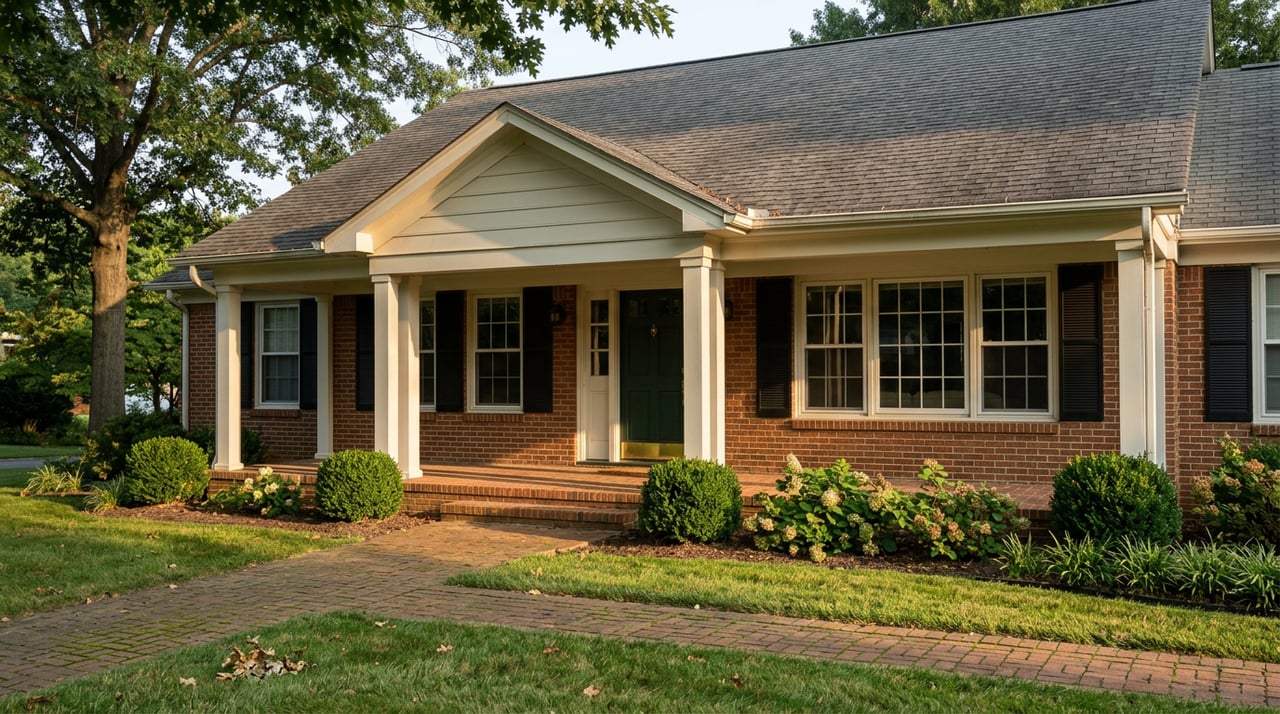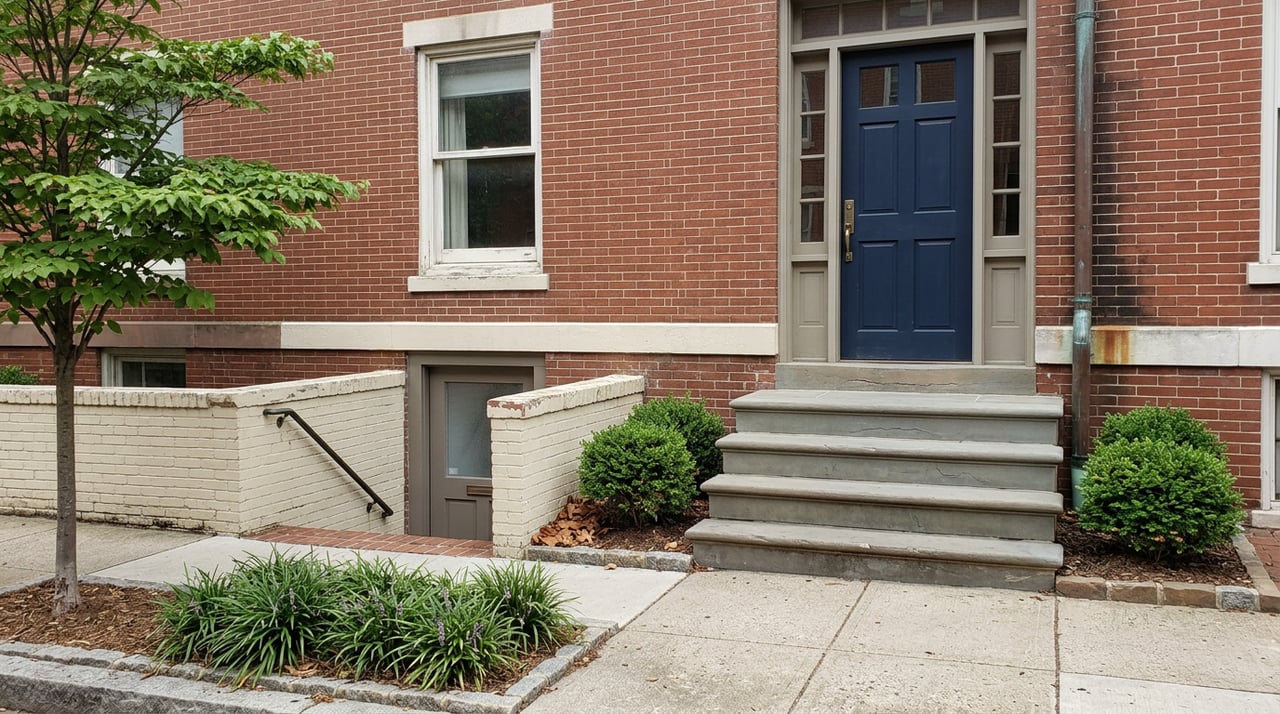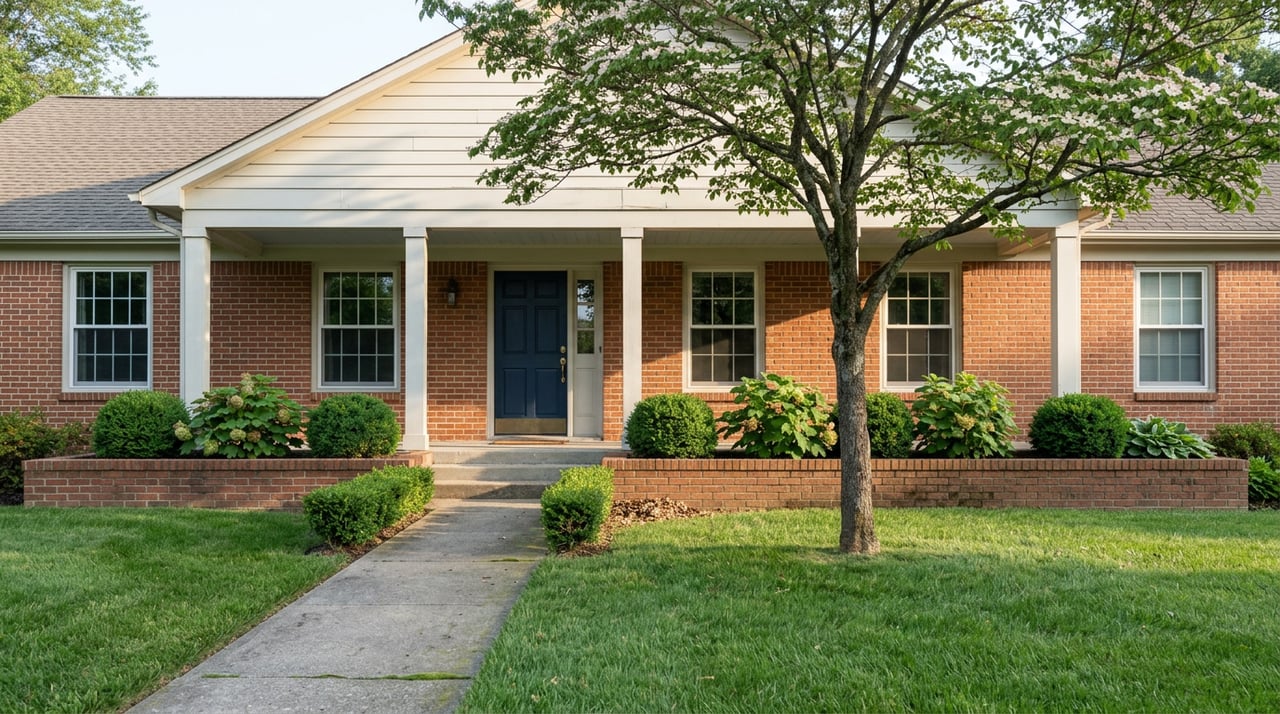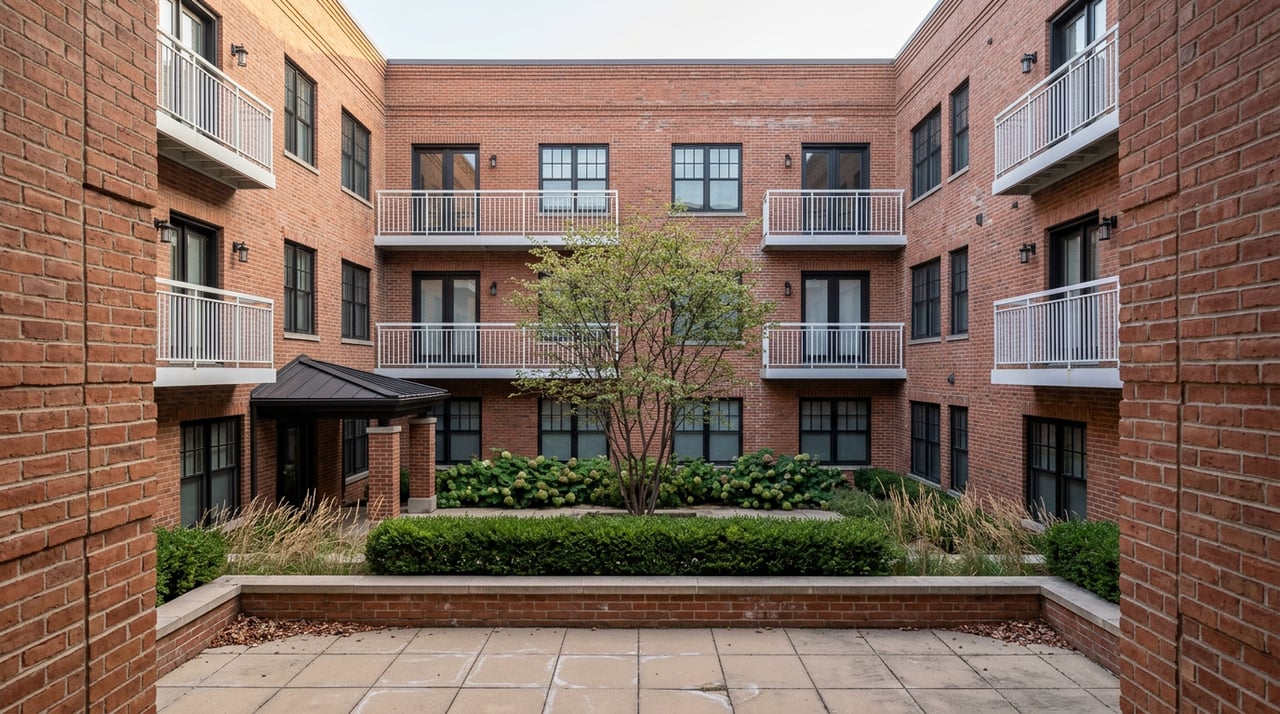
Curious about Greenbelt’s co-ops but not sure how the buying process really works? You’re not alone. GHI homes look and feel like townhomes, yet the ownership, financing, and approval steps are different from a typical condo or single-family purchase. In this guide, you’ll learn what you actually buy, how to get approved, how financing works, what fees to plan for, and how resales come together inside GHI. Let’s dive in.
GHI co-ops explained
Greenbelt Homes, Inc. (GHI) is a historic housing cooperative that owns and manages the original Greenbelt homes. When you buy, you purchase a membership (shares) that gives you the right to live in a specific unit rather than a deed to real estate. GHI describes itself as a market-rate cooperative, so homes sell at normal market prices, but the paperwork and approvals follow co-op rules, not condo rules. You can review the full overview in GHI’s own "How to Buy" guide on the GHI website. See GHI’s process overview.
Here’s the key difference from a condo or fee simple home:
- In a co-op, you own shares and sign a Mutual Ownership Contract (MOC), sometimes called a proprietary lease. The unit is treated as personal property for the purchase. That changes closing documents and how lenders secure their loans.
- In a condo, you receive a deed to real property. Financing and closing mechanics are more conventional.
If you want a baseline consumer explainer on co-ops versus condos, the National Association of REALTORS’ HouseLogic guide is helpful for context. Read the co-op vs. condo basics.
How the GHI buying process works
Think of GHI as a business you’re joining. You’ll submit an application, complete an interview, and receive a Board decision before closing. Here’s the typical path.
Step 0: Attend the GHI orientation
GHI requires you to attend a pre-purchase orientation before the Board can approve your membership. Go early in your search so you understand the rules, fees, and timeline. Review GHI’s how-to-buy page.
Step 1: Offer and contract
Write and negotiate your offer like any home purchase. Once both parties sign, the ratified contract goes to GHI’s Contract Processing Department for tracking.
Step 2: Get financing lined up
Most buyers use a co-op share loan, not a standard mortgage. Share loans are secured by your stock certificate and proprietary lease, and lenders typically file a UCC financing statement and ask for a recognition agreement with the co-op. For a quick primer on this structure, see this clear explainer on share loans. Learn how a co-op loan works.
Not every lender offers share loans. GHI publishes an approved list that includes local banks, credit unions, and national co-op lenders. Contact lenders on that list early for a prequalification that matches GHI’s timelines. See GHI’s approved lender list.
Step 3: Submit your GHI membership application within 7 days
Timing matters. GHI asks you to send a complete membership application within seven days of ratifying the contract. The 2024 form lists required documents and fees, including bank statements, W-2s or tax returns, pay stubs, and verification items. Current fees noted on the application include a $720 membership fee, a $53 application fee per applicant, and a $53 termite inspection fee. Download the 2024 GHI membership application.
Tip: Incomplete packets are the most common delay. Use the application checklist and submit everything in one upload.
Step 4: Interview and background checks
GHI schedules a personal interview and verifies references, employment, and rental history. Screening includes a criminal background check and a review of payment and conduct history for the prior three years. Review the membership selection criteria.
Step 5: Board review and seller repairs
Once your package is complete, it goes to the Board for a vote at a scheduled meeting. In parallel, GHI requires sellers to complete any presale inspection repairs before settlement. GHI confirms the work is done before it will schedule closing. Buyers should still order their own home inspection to evaluate the unit’s condition. See the GHI buying steps.
Step 6: Settlement and final fees
At closing you sign the share loan documents and the Mutual Ownership Contract. GHI requires a working-capital loan equal to 1 percent of the purchase price at settlement. According to GHI, this may sometimes be included as seller help if you bring a down payment of 10 percent or more, subject to GHI rules. Check the selection criteria for details.
What lenders review for GHI share loans
Lenders underwrite you and the co-op project. They will review your credit, income, assets, and debts. They also check that GHI meets co-op project standards used by large investors.
- Project eligibility: Fannie Mae and others look for stable co-op finances, adequate reserves, acceptable insurance, manageable delinquency rates, and clear corporate documents. Lenders can only sell co-op loans when the project meets these requirements, so project health matters. See Fannie Mae’s co-op project criteria.
- Documents lenders often request: bylaws and the MOC, current operating budget, recent audited financials or tax returns, reserve levels, any underlying mortgages, master insurance details, owner-occupancy ratios, delinquency data, and information on pending litigation. An appraisal based on recent GHI sales is also common.
- Share loan mechanics: lenders secure their interest by holding the stock certificate and proprietary lease and by filing a UCC statement. They often require a recognition agreement that clarifies rights if a borrower defaults. Read a plain-language overview of share loans.
Down payment and reserves can be stricter for co-ops. GHI’s published rules set a typical minimum down payment at 10 percent. A 5 percent down payment may be possible in limited cases with a 720 or higher credit score and special requirements. GHI also evaluates debt-to-income ratios: no more than 33 percent of gross income for housing charges and a 42 percent cap for total monthly debt. A 38 percent rule can apply if you have no other monthly debt. Confirm current thresholds in GHI’s criteria.
Costs to plan for in GHI
- Application and approval costs: Per the 2024 application, plan for a $720 membership fee, a $53 application fee per applicant, and a $53 termite inspection fee. Submit your full packet within seven days to avoid delays. Use GHI’s official application checklist.
- Closing costs: Expect standard lender and title fees for a share loan, plus GHI’s 1 percent working-capital amount at settlement. In some cases, seller assistance may cover the working capital if your down payment is 10 percent or more, subject to GHI approval. See GHI’s criteria page.
- Monthly co-op fee: GHI’s monthly charge varies by unit type and typically covers real estate taxes, the master insurance policy, structural maintenance, and reserves. Members usually handle interior finishes and appliances. GHI issues a year-end tax statement for the tax portion of your fee. Review what the monthly fee covers.
Resale, pricing, and market context inside GHI
GHI tracks sales internally, and these are the best comparables for pricing a GHI home. The 2024 GHI Homes Sold list shows sales ranging roughly from the low $100,000s to the low $400,000s depending on unit type and additions. For pricing or offer strategy, use this micro-market data rather than broad county stats. Browse GHI’s 2024 Homes Sold report.
Before any GHI resale closes, the seller must complete presale inspection repairs identified by GHI. The Board confirms that work is complete before scheduling settlement. As a buyer, still order your own inspection to assess systems and finishes. See GHI’s resale steps.
Be aware of occupancy and rental rules. GHI requires member-occupation and applies occupancy limits by bedroom count. Leasing is restricted compared with many condos. Review the application and handbook so your living plans align with the rules. Check the application for occupancy rules.
Documents to request during due diligence
Gather these items early so your lender and you can evaluate the project and the unit:
- Mutual Ownership Contract and proprietary documents. Find references on GHI’s how-to-buy page
- Current bylaws, house rules, and member handbook. See GHI’s handbook references
- Current operating budget and at least two years of audited financials or tax returns. Understand why lenders need these
- Reserve schedule and any notes on capital projects, pending special assessments, or litigation. Review project eligibility items
- Master insurance policy declarations and per-unit deductibles. See insurance considerations
- The seller’s GHI presale inspection report and proof of completed repairs. Confirm steps with GHI
- Resale paperwork and the seller’s share certificate. Your lender will check for any UCC liens and confirm clear transfer. Read how share collateral is perfected
Timeline and who to involve
Every file is unique, but here is a simple, buyer-friendly sequence to reduce delays:
- Attend the GHI orientation early. Start with GHI’s process overview
- Interview one or more GHI-approved lenders and get a share-loan prequalification.
- Ratify the contract and, within seven days, submit a complete membership application with required fees and documents. Use the 2024 application checklist
- Order your independent inspection and confirm the seller is completing presale repairs required by GHI.
- Prepare for the interview and Board review. Timing depends on Board meeting dates and the completeness of your package, so build in a buffer when you write your contract.
- Close once the Board approves, the lender clears conditions, and GHI confirms repairs. Bring funds for closing costs and the 1 percent working capital amount.
Who to involve and when:
- A real estate agent with GHI co-op experience at the offer stage for pricing, documents, and timelines. Use GHI’s Homes Sold data for comps
- A GHI-approved mortgage lender as soon as you start shopping. Check the lender list
- A home inspector right after ratification. See GHI’s inspection step
- A real estate attorney is advisable given the share-loan and proprietary lease paperwork. Read a share-loan overview
Smart tips for first-time GHI buyers
- Get lender clarity early. Confirm your down payment, reserves, and that the lender is active on GHI share loans.
- Submit a complete application. Use the checklist to avoid back-and-forth that can push you past Board meeting dates. Download the application
- Align your occupancy plan with GHI rules. If you expect roommates or future changes, verify current policies. Review occupancy details in the application
- Budget for the monthly fee and the 1 percent working capital at closing. See fee coverage on GHI’s site
- Explore local assistance programs. City programs can change, so check current status. See Greenbelt’s GHI buyer assistance page
Ready to explore GHI co-ops?
If you want a calm, organized guide through GHI’s unique process, let’s talk. From pricing with the GHI sales log to lender introductions and a complete application, you’ll get clear steps and steady communication from offer to keys. Connect with Kim Kash to get started.
FAQs
What makes a GHI co-op different from a condo?
- In GHI you buy shares and a right to occupy via the Mutual Ownership Contract, not a deed. Financing is a share loan, and the Board must approve your membership. See GHI’s how-to-buy guide
How much down payment do I need for a GHI purchase?
- GHI’s typical minimum is 10 percent. A 5 percent option may be possible with a 720 or higher credit score and special conditions. Confirm current rules
What does the monthly GHI fee cover?
- The fee generally covers real estate taxes, the master insurance policy, structural maintenance, and reserves. Members usually handle interior finishes and appliances. Review fee coverage
Can I rent out my GHI home?
- GHI requires member-occupation and applies occupancy limits. Leasing is restricted compared with many condos. Check the current rules before you buy. See occupancy notes in the application
Which lenders finance GHI co-ops?
- Start with lenders on GHI’s approved list, which includes local banks, credit unions, and national co-op lenders. View the lender list
What fees should I budget for during application and closing?
- Plan for a $720 membership fee, a $53 application fee per applicant, a $53 termite inspection fee, standard closing costs, and a 1 percent working-capital amount at settlement. See fees in the 2024 application
How are prices set for GHI homes?
- GHI is market-rate, so prices reflect local supply and demand. Use the co-op’s own sales log for accurate comps. See GHI’s 2024 Homes Sold list
Do I still need a home inspection if GHI requires seller repairs?
- Yes. The presale inspection protects the co-op. Your own inspection protects your interests and can identify interior or system issues. Review GHI’s process
How long does GHI Board approval take?
- Timing depends on the completeness of your application and the Board’s meeting schedule. Submit a complete package quickly and plan your contract dates with some buffer.
Are FHA or VA loans available for GHI co-ops?
- Government-backed options can be available only if the project meets program requirements and a qualified lender offers the product. Confirm project approval and lender experience early. Read a share-loan primer