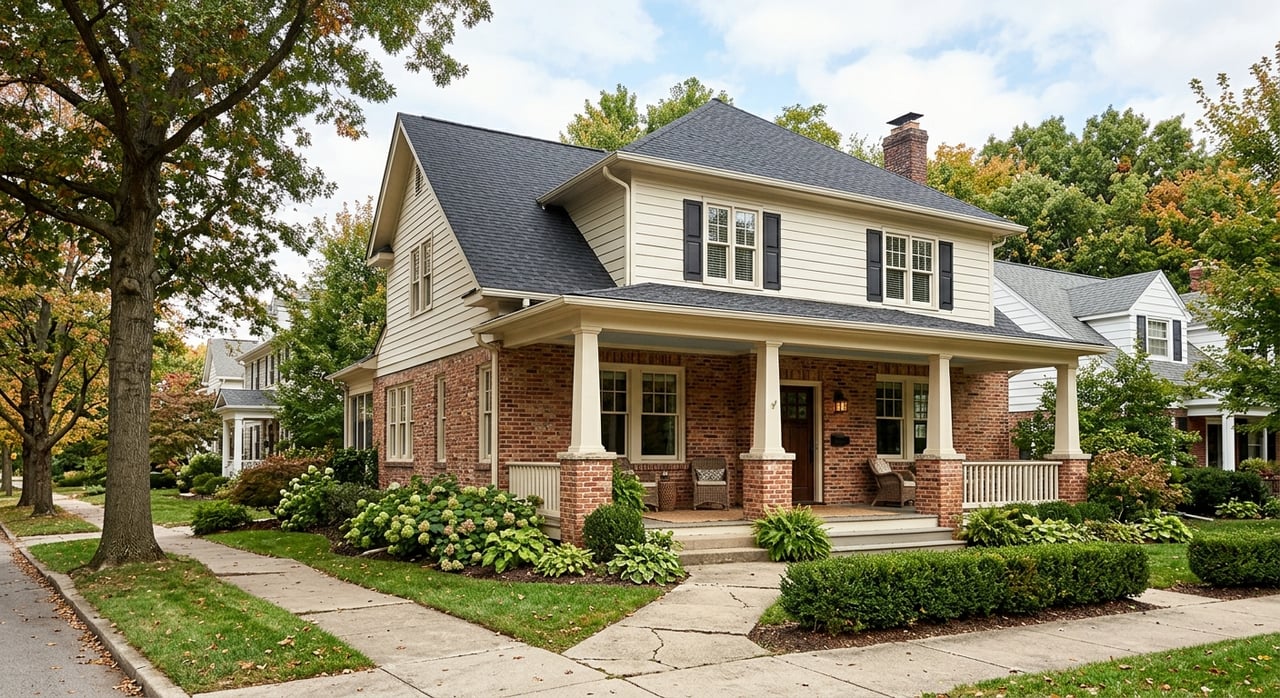
Curious what gives some DC neighborhoods that settled-in, welcoming feel the moment you turn onto the block? In Brightwood and Manor Park, it often comes down to the rhythm of older homes, residential streets, and the kind of neighborhood layout that grew out of streetcar-era expansion rather than high-rise redevelopment. If you are looking for a part of northwest DC that blends architectural character, everyday convenience, and solid transit access, these two Ward 4 neighborhoods are worth a closer look. Let’s dive in.
Brightwood and Manor Park at a Glance
Brightwood and Manor Park sit in Ward 4 in northwest Washington, DC, in an area shaped by the city’s transition from rural land to streetcar suburb to established residential neighborhood. According to the District’s Ward 4 Heritage Guide, Ward 4 is largely residential and includes a mix of apartment buildings, rowhouses, and semi-detached homes.
That mix matters when you are trying to picture daily life here. These are not neighborhoods defined by towers or oversized commercial strips. Instead, the setting is more grounded in residential blocks, neighborhood-scale retail, and homes that reflect early 20th-century growth patterns.
Streetcar History Still Shapes the Feel
One reason Brightwood and Manor Park feel distinct is their history. The same Ward 4 planning guide explains that Brightwood evolved as electric streetcar service extended up Georgia Avenue, helping turn what had been more of a leisure and summer-home landscape into a commuter-oriented neighborhood.
Manor Park developed through a similar pattern. Planning materials note that it grew opposite the former Stott’s Station on the Metropolitan line and was marketed in the early 1900s as a convenient commuter location. Today, that history still shows up in the neighborhood’s layout and housing style.
Housing Character and Porch Appeal
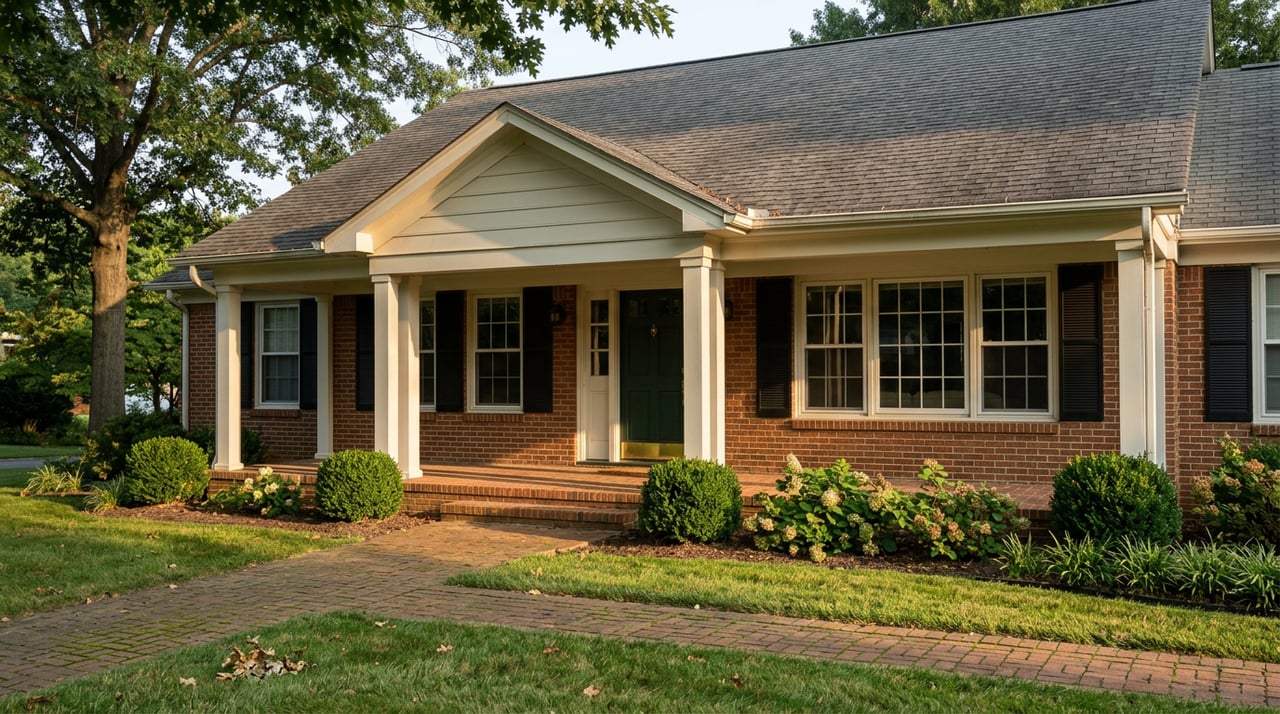
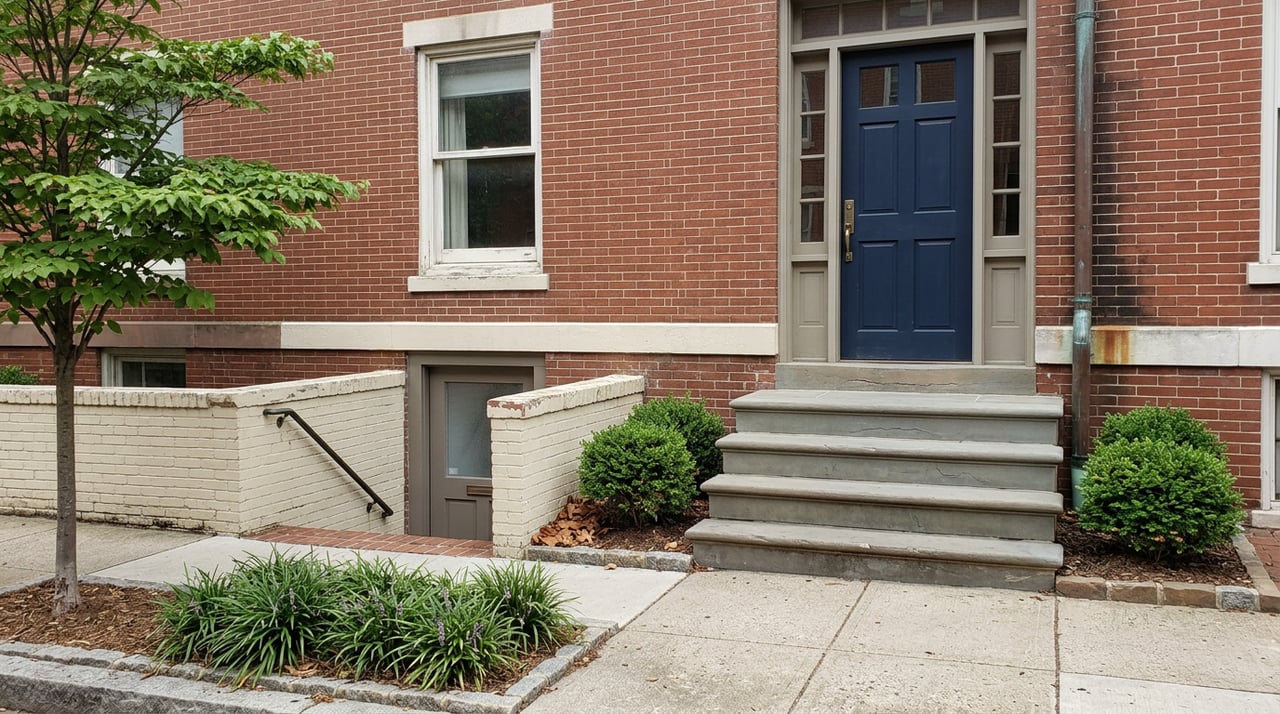
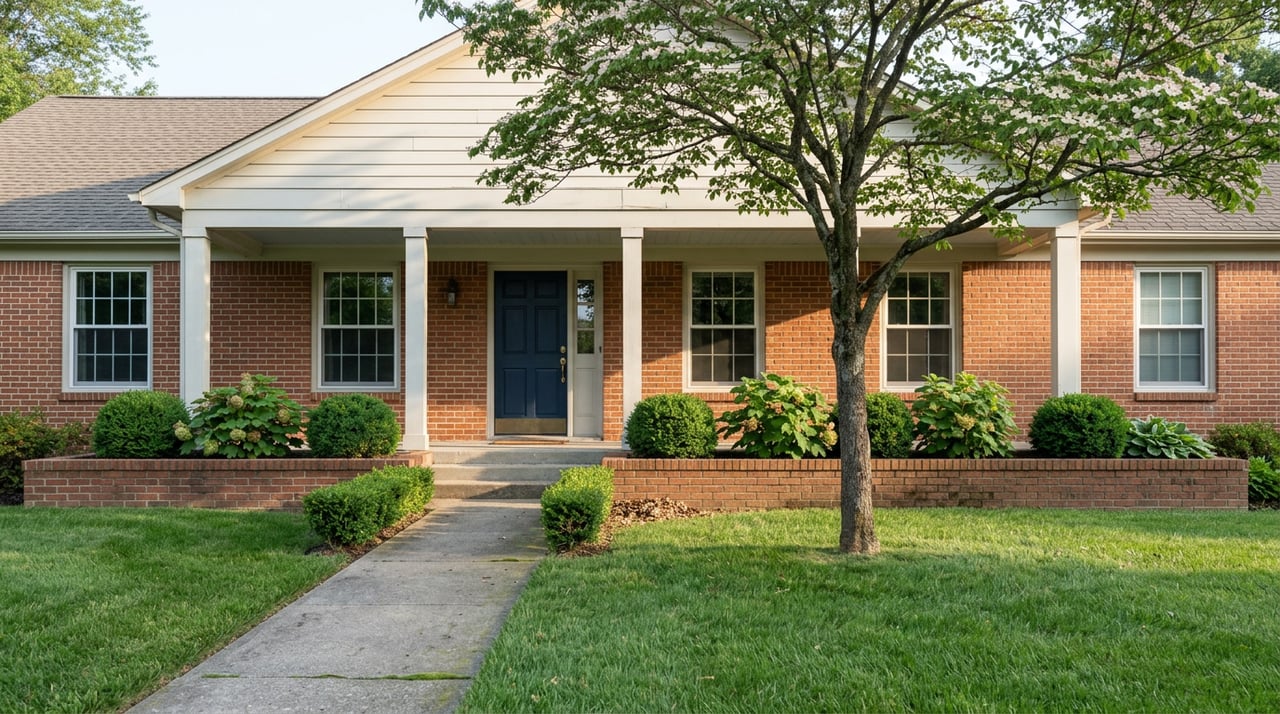
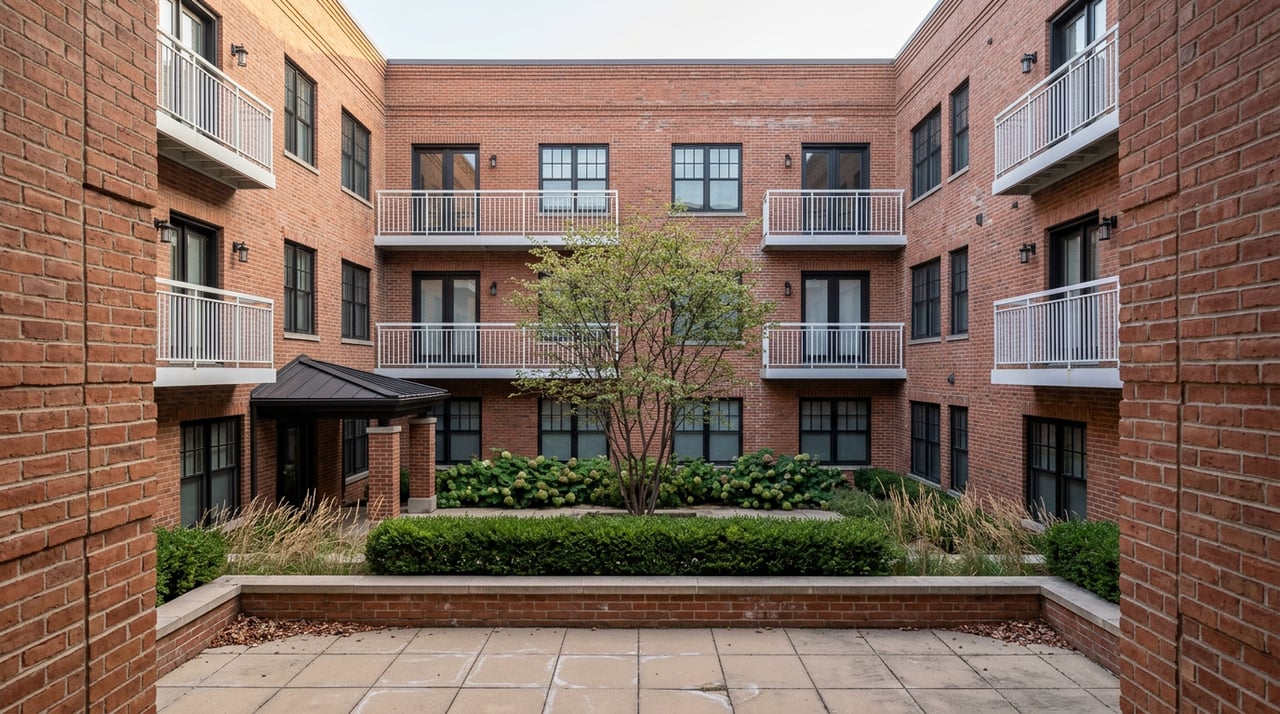
If you are drawn to older DC neighborhoods for their visual charm, Brightwood and Manor Park offer a lot to notice. DC planning materials describe Brightwood as a neighborhood of townhouses, small apartment buildings, comfortable single-family homes, and the Walter Reed campus. Manor Park is described as a middle-class area with apartments, rowhouses, and detached single-family homes, including many late-1930s houses designed and built by George Santmyers.
While official planning documents do not label these areas as “porch neighborhoods,” the housing mix and development pattern support that impression. Older rowhouses, detached homes, and suburban-era setbacks create the kind of streetscape many buyers associate with front porches, stoops, and a more personal relationship between home and sidewalk.
That can be a meaningful detail when you are comparing neighborhoods. Some buyers want sleek and modern. Others want blocks that feel established, layered, and architectural without losing everyday practicality.
A Residential Setting With Green Space Nearby
Another major part of the appeal is the landscape around these neighborhoods. Rock Creek Park anchors the broader Ward 4 environment and spans 1,754 acres, giving northwest DC a strong connection to trails, wooded terrain, and protected open space.
The area also reflects the legacy of the Fort Circle park concept. The Ward 4 heritage guide notes that land connected to former Civil War fort sites remained undeveloped in many places and returned to a more natural state. In Manor Park, Fort Slocum once stood near Kansas Avenue and Blair Road, and part of that land is now preserved as parkland.
For you as a buyer or homeowner, that translates into something practical: even though the area is urban and residential, it can feel more shaded, buffered, and calm than blocks closer to the city’s densest commercial cores. That balance is part of what makes this section of Ward 4 appealing.
Daily Life Along Georgia and Kennedy
Convenience matters, and Brightwood and Manor Park benefit from two important neighborhood-serving corridors. The Ward 4 Heritage Guide identifies Georgia Avenue as Ward 4’s main commercial corridor and one of the District’s oldest roads.
Kennedy Street NW plays a different but equally useful role. The Rock Creek East planning element describes Kennedy Street as a mixed-use corridor lined with storefronts and surrounded by apartment buildings, rowhouses, and detached homes. It also frames Kennedy Street as a locally oriented neighborhood shopping street.
In practical terms, that means your errands and quick outings can stay close to home. The retail pattern here is more neighborhood-serving than regional in scale, with the kind of storefront strips that support daily needs rather than destination-style shopping.
Transit Options That Expand Your Search
If commuting or car-light living matters to you, this area offers several useful connections. WMATA’s redesigned bus network includes the D40 7 St-Georgia Av route, which runs 24 hours between Silver Spring Station and Archives Station and serves stops along Georgia Avenue, including connections through Shaw-Howard U, Mt Vernon Square, and Gallery Place-Chinatown.
For faster limited-stop service, the D4X 7 St-Georgia Av Limited connects Silver Spring and Archives via Georgia Avenue with frequent service throughout the week. The C75 Takoma-Petworth route also supports shorter neighborhood trips through this part of Ward 4, operating via 5th Street and Kansas Avenue.
Rail access is also part of the picture. Georgia Ave-Petworth station serves the Green and Yellow Lines, while Takoma provides Red Line access nearby. Depending on where you need to go, that gives you more than one way to reach downtown DC or Silver Spring.
Who These Neighborhoods May Suit
Brightwood and Manor Park can appeal to a wide range of buyers because they offer a middle ground that is not always easy to find in DC. You may appreciate these neighborhoods if you want:
- A residential setting with older housing stock
- A mix of rowhouses, detached homes, and small apartment buildings
- Access to neighborhood retail instead of a purely car-dependent layout
- Proximity to parkland and greener surroundings
- Multiple transit options for commuting into DC or toward Maryland
They may also be worth exploring if you are relocating and want a neighborhood with a more established feel. For many buyers, the appeal is not one single feature. It is the combination of architecture, block pattern, and convenience.
What to Notice on a Visit
When you tour Brightwood or Manor Park, pay attention to how the blocks feel from one street to the next. Notice the spacing between homes, the presence of stoops or porches, the tree cover, and how quickly you can get from a quiet residential block to a useful commercial corridor.
It also helps to think beyond the listing itself. A home may look great online, but the neighborhood pattern is what shapes daily life. In areas like these, that includes transit access, nearby parkland, and the kind of small-scale commercial activity that makes routines easier.
Why Local Guidance Still Matters
Neighborhoods with older housing stock often come with more nuance than newer developments. Home style, block-by-block feel, transit access, and renovation history can all vary more than buyers expect. That is where clear, organized guidance can make your search much smoother.
If you are comparing homes in DC and nearby Maryland neighborhoods, it helps to work with someone who can translate not just the listing details, but also the larger neighborhood context. That kind of perspective can save time and help you focus on places that fit how you actually want to live.
Whether you are buying your first home, planning a move, or narrowing down your next neighborhood, Kim Kash offers calm, informed guidance to help you evaluate your options with confidence. Let’s connect.
FAQs
What are Brightwood and Manor Park known for in northwest DC?
- Brightwood and Manor Park are known for their residential character, older housing stock, streetcar-suburb roots, neighborhood-scale retail corridors, and access to transit and nearby green space.
What kinds of homes are found in Brightwood and Manor Park?
- According to DC planning materials, the area includes rowhouses, townhouses, small apartment buildings, detached single-family homes, and some semi-detached housing.
What shopping streets serve Brightwood and Manor Park residents?
- Georgia Avenue is Ward 4’s main commercial corridor, and Kennedy Street NW functions as a mixed-use, locally oriented shopping street with neighborhood-serving storefronts.
What transit options are available from Brightwood and Manor Park?
- Current WMATA options include the D40 and D4X routes along Georgia Avenue, the C75 Takoma-Petworth route, and rail access via Georgia Ave-Petworth and nearby Takoma station.
Why do Brightwood and Manor Park feel different from denser DC neighborhoods?
- Their streetcar-era growth pattern, mix of home types, nearby parkland, and neighborhood-scale retail create a more residential and buffered feel than denser commercial parts of the city.