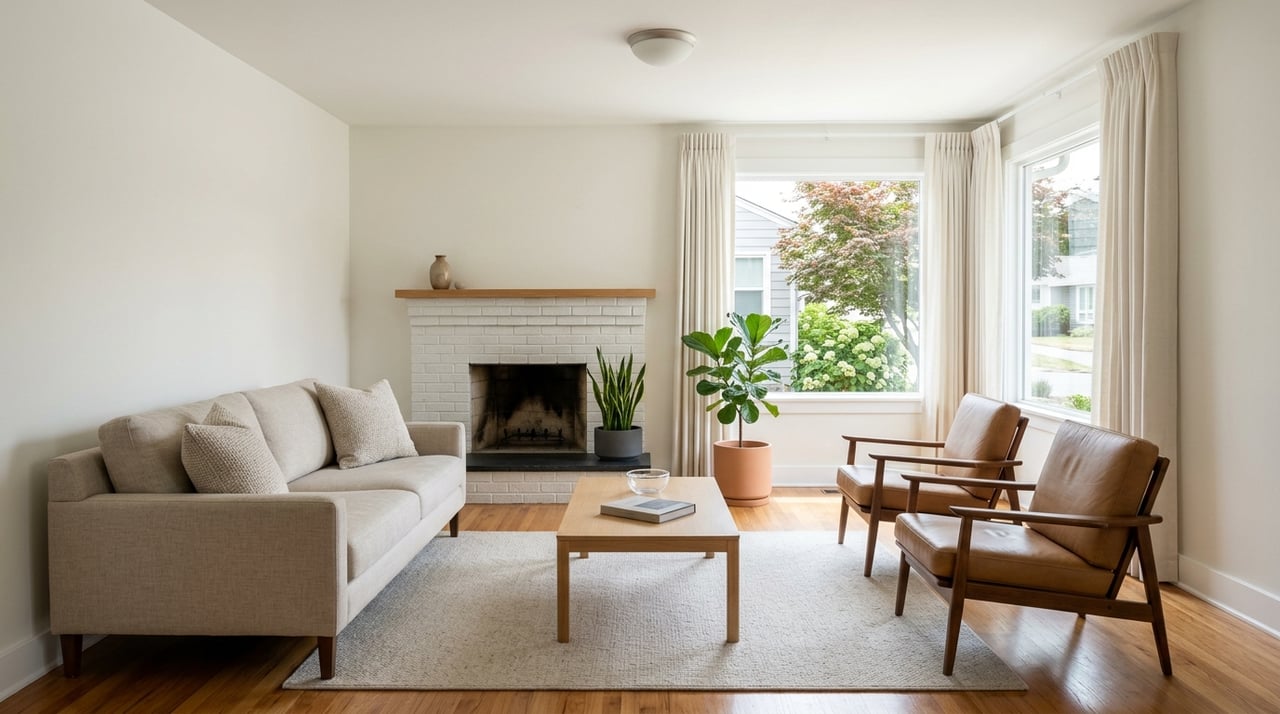
If you want your Greenbelt home to stand out, the best place to start is not with a major remodel. It is with a smart plan. In a market where pricing signals can vary and days on market can stretch, strong presentation and organized paperwork can make a real difference in how buyers respond. This guide walks you through how to prep your home for sale in Greenbelt, from curb appeal and staging to Maryland disclosures and co-op documents. Let’s dive in.
Why preparation matters in Greenbelt
Greenbelt is a unique market, and that matters when you are getting ready to sell. Realtor.com’s local market data for Greenbelt shows a February 2026 median sale price of $231.4K, 63 median days on market, and a 100% sale-to-list ratio, while the same source describes the market as balanced. In smaller markets, monthly numbers can shift more from one report to another, which is why thoughtful pricing and presentation are especially important.
The bigger Prince George’s County market also supports a disciplined approach. Realtor.com’s Prince George’s County market data shows about 3,006 homes for sale and a median list price of $445K, while PGCAR’s February 2026 market watch reported 460 closed sales, 643 new pending sales, a median sold price of $440K, 40 median days on market, and sellers receiving 97.4% of original list price on average. That tells you buyers are active, but sellers still need to be strategic.
Start with what buyers see first
Most buyers will meet your home online before they ever step through the door. According to the National Association of Realtors 2024 home buyer survey, 41% of buyers first looked online for properties, and 52% found the home they purchased on the internet. The same report found that photos were the most useful website feature for 66% of internet users, followed by floor plans at 47% and virtual tours at 33%.
That means your prep budget should focus first on what buyers will actually notice in photos and during showings. Clean rooms, better lighting, uncluttered surfaces, and tidy outdoor spaces usually do more for first impressions than expensive projects buyers may not fully see.
Focus on visible improvements
The most effective updates are often simple. NAR’s 2025 staging snapshot says 83% of buyers’ agents found that staging made it easier for buyers to visualize a home. NAR also highlights practical improvements like decluttering, neutral wall colors, lighting, and deep cleaning.
If you are deciding where to spend time and money, start here:
- Declutter shelves, counters, and floors
- Touch up paint in a neutral color palette
- Replace burned-out bulbs and improve dim lighting
- Deep clean kitchens, bathrooms, floors, and windows
- Remove bulky or extra furniture that makes rooms feel smaller
These updates help your home feel brighter, cleaner, and easier for buyers to picture as their own.
Stage the rooms that matter most
You do not need to stage every space equally. NAR’s staging report says the most commonly staged rooms are the living room, primary bedroom, and dining room. If your budget or timeline is limited, those are the rooms to prioritize first.
In practical terms, that might mean simplifying furniture layout, adding balanced lighting, and using a few clean, minimal accents. The goal is not to make your home look fancy. The goal is to make it feel open, well cared for, and easy to understand in photos.
Do not overlook curb appeal
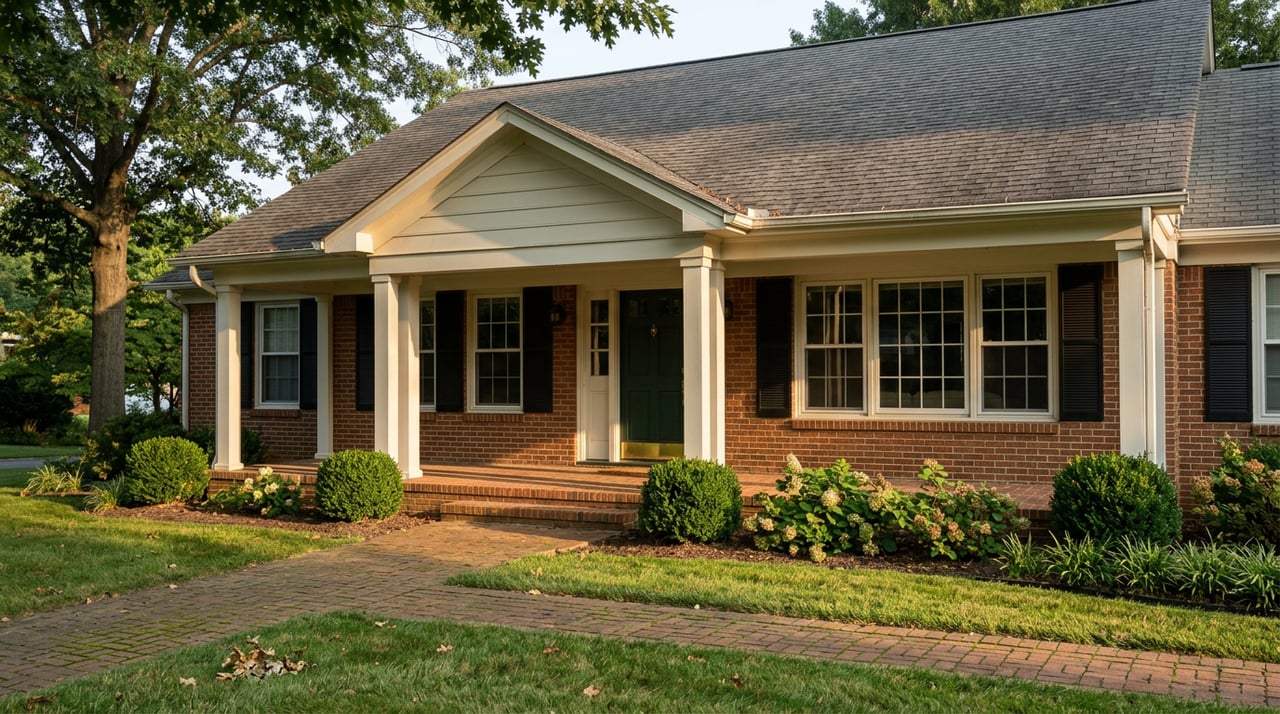
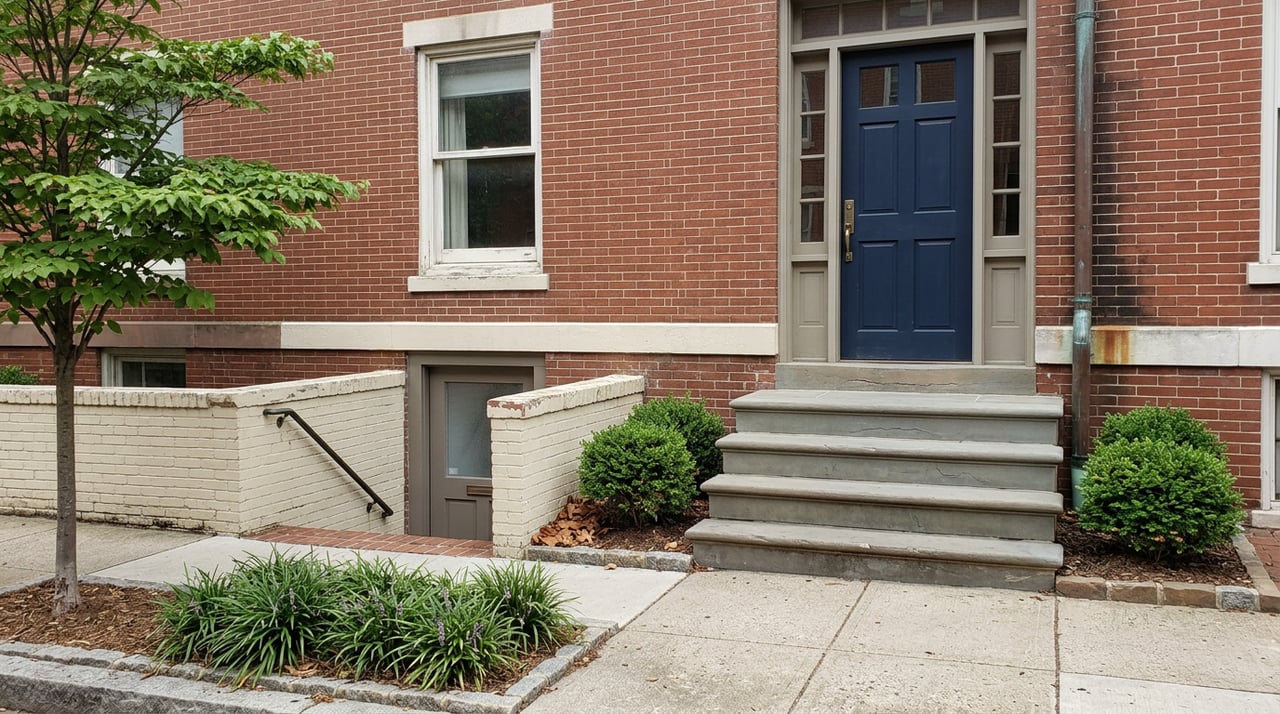
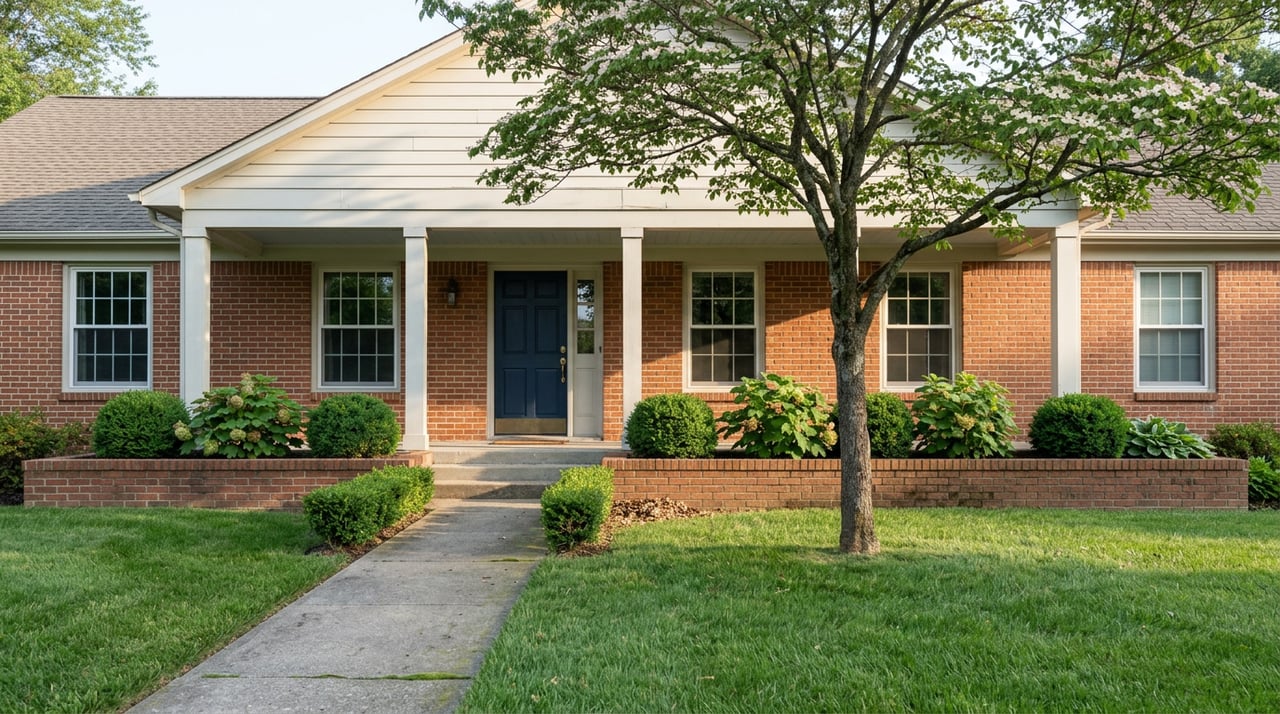
Your front exterior sets the tone for the rest of the showing. NAR’s Remodeling Impact Report on outdoor features found that 92% of REALTORS recommend improving curb appeal before listing, and 97% say curb appeal is important for attracting a buyer. NAR describes curb appeal in terms of porches, landscaping, outdoor lighting, and pathways.
In Greenbelt, that can translate into a simple checklist:
- Sweep walkways and entry areas
- Trim shrubs and remove dead plants
- Refresh mulch or tidy planting beds
- Clean the front door and hardware
- Make sure porch and exterior lights work
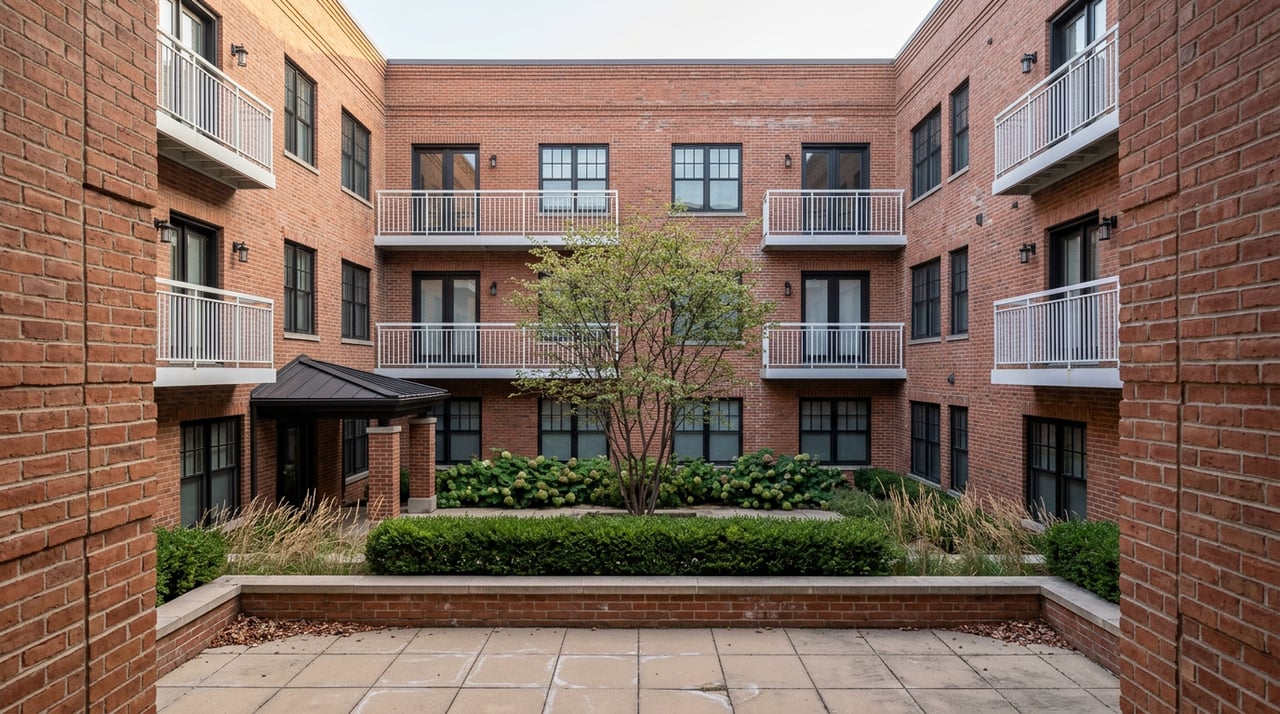
- Clear clutter from patios, porches, or shared entry areas
These details matter because buyers notice them both online and in person. A cared-for exterior helps signal that the home has been maintained overall.
Match your prep to your property type
Greenbelt sellers are not all working from the same playbook. Single-family homes, townhouses, condominiums, and co-ops each come with different prep needs. In Greenbelt, that is especially true for co-op sellers.
Greenbelt Homes, Inc. describes itself as a not-for-profit housing cooperative of 1,600 homes in historic Greenbelt, with monthly fees helping cover maintenance and reserve funding. If you are selling a co-op, visual prep still matters, but document prep matters just as much.
For single-family and townhouse sellers
Your main focus is usually presentation, repairs, disclosures, and timing. Buyers want clear photos, a clean and functional home, and confidence that the details of the sale are organized.
This is where a marketing-first approach can help. Professional photography, thoughtful staging, and targeted pre-sale improvements can present the home at its best without over-improving it.
For condo and HOA sellers
If your property is part of a condo or homeowners association, resale documents can affect your timeline. Under Maryland law on condominium resale materials, the supporting certificate must be provided within 20 days of a written request, and the materials must be furnished not later than 15 days before closing. HOA disclosures must be given on or before contract or within 20 calendar days of entering into the contract.
That is why it is smart to request these documents early rather than waiting until you are under contract.
For Greenbelt co-op sellers
Co-op sales need their own checklist. Montgomery County DHCA guidance on co-op living notes that used co-op resales are not required by law to include the same resale package, but buyers should still request rules, the latest budget and audits, and any major expenses in writing.
For a Greenbelt co-op seller, that means gathering documents early so buyers can review the information they will likely want. It also helps reduce delays and keeps expectations clear from the start.
Get Maryland disclosures ready early
Paperwork is part of sale prep, not an afterthought. Under Maryland’s residential property disclosure law, sellers must provide a residential property disclosure or disclaimer statement on or before the contract. The form covers known latent defects and items such as the roof, foundation, plumbing, electrical, heating and cooling, insects, hazardous materials, smoke alarms, and carbon monoxide alarms.
Maryland regulations also say the seller’s agent should obtain that statement when the listing is taken. If the buyer does not receive it in time, they may have rescission rights. That is a good reason to pull this together before your home hits the market, not after.
Be honest about known issues
If you know about a defect, disclose it. Maryland law requires disclosure of known latent defects, and it also makes clear that disclosure is not a substitute for an independent inspection. Trying to hide a problem rarely helps a sale and often creates bigger issues later.
A clear repair list can help you decide what to fix, what to disclose, and what to leave as-is. That kind of planning supports a smoother transaction and fewer surprises.
A simple Greenbelt prep timeline
The strongest seller-prep plan is usually a mix of visible updates, strong marketing assets, and document readiness. Based on Maryland timelines and buyer behavior, this is a practical sequence to follow.
Three to four weeks before listing
Start with the behind-the-scenes work.
- Gather disclosure paperwork
- Request condo, HOA, or co-op documents if needed
- Walk through the home and make a repair list
- Decide which cosmetic updates are worth doing before listing
Two weeks before listing
This is the time for visible improvements.
- Finish paint touch-ups
- Fix lighting issues
- Declutter rooms and storage areas
- Schedule or complete deep cleaning
- Tidy the yard, porch, or entry path
If you are using Compass Concierge for pre-sale improvements, this is often the stage where a focused plan can help support paint, cleanup, lighting, and other buyer-facing updates.
One week before listing
Now turn to final presentation.
- Stage the living room, primary bedroom, and dining room first
- Remove last-minute personal items
- Schedule professional photography
- Make sure the home is photo-ready inside and out
Listing week
Do one final check.
- Confirm the home matches the listing photos
- Replace any burned-out bulbs
- Refresh the entry area
- Make sure required documents are ready to deliver
Spend wisely, not broadly
It is tempting to think you need a long list of upgrades to get a strong sale. The research here suggests a more practical path. In a market like Greenbelt, the most defensible spending is on buyer-facing improvements such as paint, lighting, cleaning, curb appeal, staging, and professional photography.
What the research does not support is promising a guaranteed return from cosmetic work. The value is better presentation, easier buyer visualization, and a stronger first impression online and in person. That is often enough to help your home compete more effectively.
Preparation creates confidence
When your home looks sharp and your paperwork is organized, buyers have an easier time saying yes. They can picture the home more clearly, understand the property better, and move forward with fewer unknowns. In Greenbelt, that matters whether you are selling a townhouse, a detached home, or a GHI co-op.
If you want a clear, local plan for preparing your Greenbelt home for sale, Kim Kash can help you map out the right updates, marketing steps, and document prep for your property. Let’s connect.
FAQs
What home improvements matter most before selling a Greenbelt home?
- The most useful pre-sale improvements are typically decluttering, neutral paint touch-ups, better lighting, deep cleaning, staging key rooms, and curb appeal updates that buyers will notice online and at the front door.
What rooms should you stage first in a Greenbelt home sale?
- Based on NAR staging data, the best rooms to prioritize are the living room, primary bedroom, and dining room.
What disclosures are required when selling a home in Maryland?
- Maryland sellers must provide a residential property disclosure or disclaimer statement on or before the contract, covering known latent defects and key property systems and conditions.
What documents should Greenbelt co-op sellers gather before listing?
- Greenbelt co-op sellers should gather rules, the latest budget, audits, and any information about major planned expenses in writing so buyers can review the co-op details early.
When should condo or HOA resale documents be requested in Maryland?
- Condo or HOA resale documents should be requested as early as possible because the timing for certificates and disclosures can affect the transaction schedule.
How long should you prepare a Greenbelt home before listing it?
- A practical timeline is about three to four weeks, with documents and repair planning first, cosmetic work next, staging and photography after that, and a final review during listing week.