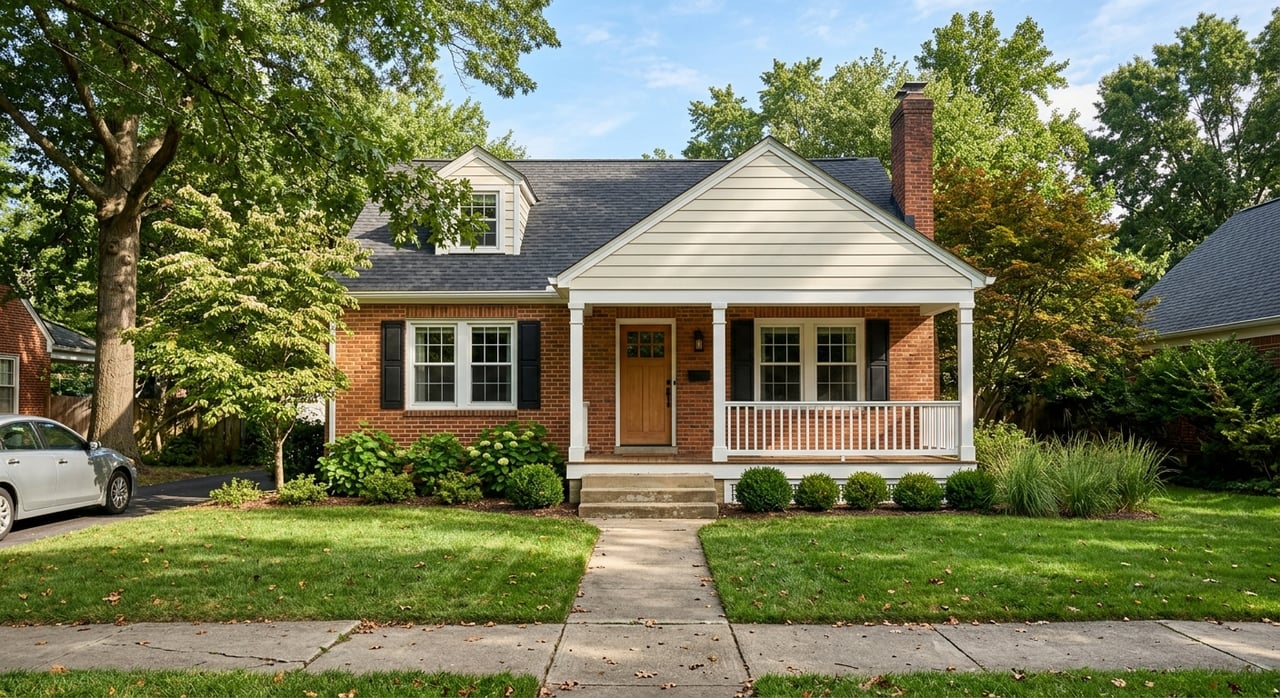
Wondering what day-to-day life in Hyattsville looks like once you get past the murals and buzz of the Arts District? If you are thinking about moving here, or simply want a clearer picture of how the city works, it helps to look at the places where errands get done, parks get used, and routines actually happen. Here’s a practical guide to everyday life in Hyattsville beyond the Arts District, from housing and transit to trails, shopping, and the details that matter when you buy or sell a home. Let’s dive in.
Hyattsville Is More Than One Hub
Hyattsville is an incorporated city in Prince George’s County along the Route 1 corridor near Washington, DC. City materials describe it as a diverse community, and Census QuickFacts estimates a 2024 population of 21,052.
What stands out in daily life is that Hyattsville does not revolve around just one center. The city identifies three active business development corridors: the Prince George’s Plaza Transit District, the West Hyattsville Metro corridor, and the Gateway Arts & Entertainment District.
That means your experience of Hyattsville may depend a lot on where you live. Some areas feel more residential and park-connected, while others are shaped by Metro access, retail centers, and newer redevelopment.
Hyattsville Addresses Can Be Tricky
One practical detail matters early in your home search: not every Hyattsville mailing address is inside the incorporated city. According to the city’s residency verification information, some homes with a Hyattsville postal code fall outside city limits.
That can affect which government body handles services like roads, sidewalks, and other maintenance. Depending on the address, responsibility may fall to the city, Prince George’s County, or the State of Maryland.
For buyers, this is more than a technical detail. It can shape your expectations around service requests, repairs, and who to call when an issue comes up.
Housing Feels Layered and Local
Older Homes and Historic Streets
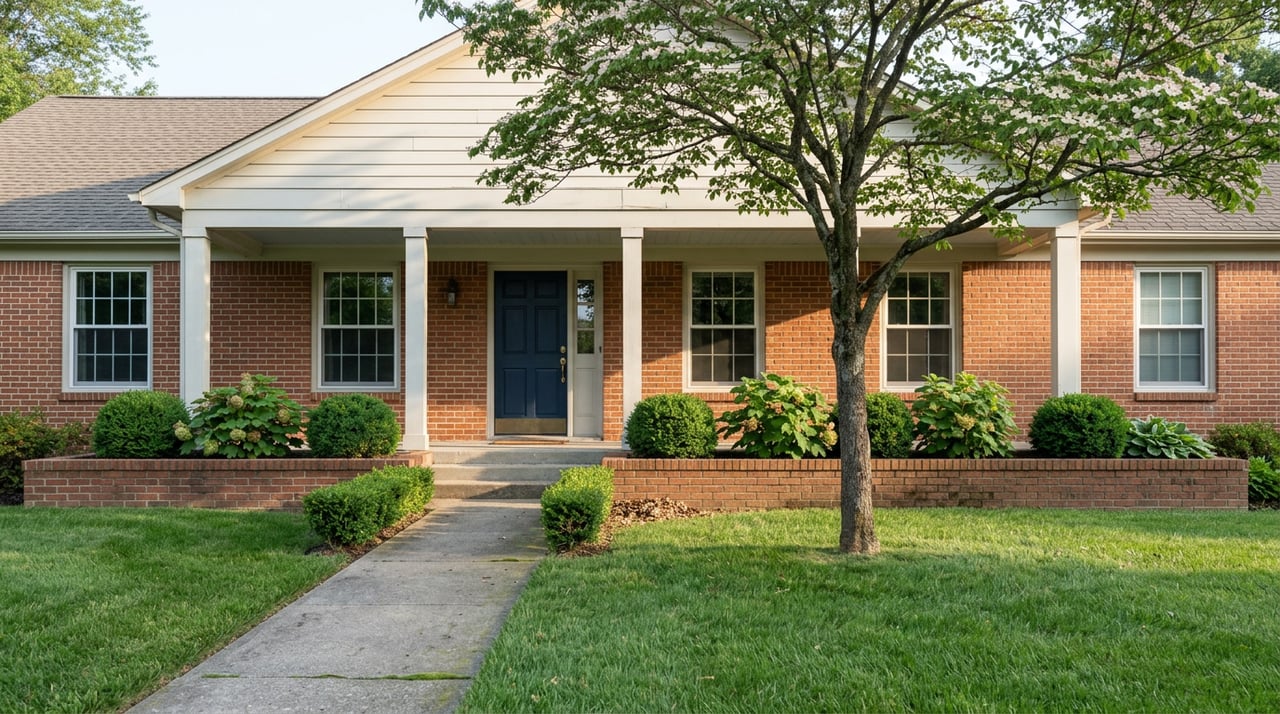
Hyattsville has a long residential history, and you can still see that in its housing stock. The city’s history materials say the Hyattsville Historic District, listed in the National Register in 1982, includes nearly 1,000 buildings with Victorian, Colonial Revival, Sears, and Arts and Crafts influences.
That older housing fabric gives many blocks a lived-in, established feel. It also reflects the city’s roots as a railroad and streetcar suburb that later evolved alongside Route 1.
If you are drawn to homes with character, this part of Hyattsville may appeal to you. If you prefer newer construction or a more recently planned setting, other parts of the city may line up better with your goals.
Newer Development Along Key Corridors
Hyattsville is not frozen in time. City leadership has described an ongoing regional effort to create a new downtown near Hyattsville Crossing Metro, anchored by Safeway at University Town Center and redevelopment of the former Kiplinger site.
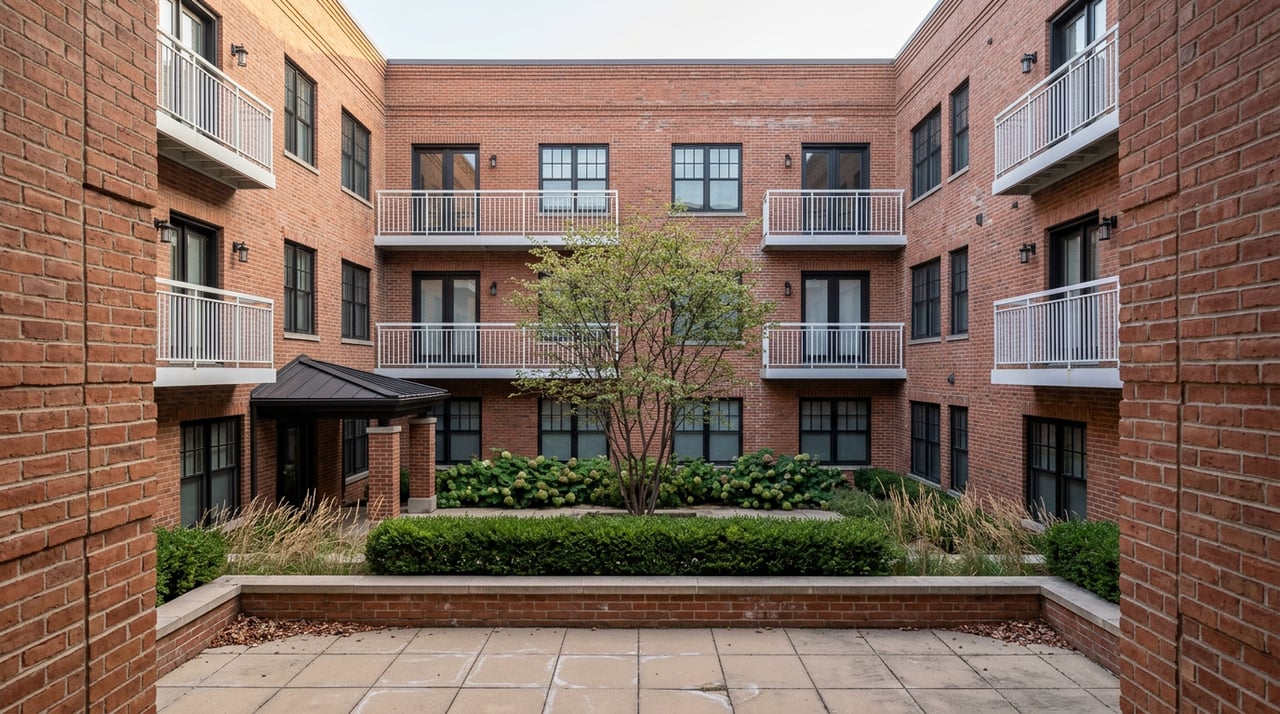
The city also notes that townhomes are being built along the Route 1 corridor, with sidewalk and roadway improvements underway. In other words, everyday Hyattsville includes both older residential blocks and visible signs of change.
That mix can be useful for buyers who want options. It also matters for sellers, because location within the city may influence how buyers respond to convenience, home style, and nearby amenities.
A Snapshot of the Housing Market
Census QuickFacts for 2020 through 2024 show an owner-occupied housing rate of 48.4%, a median owner-occupied home value of $481,500, and a median gross rent of $1,835.
The same data also points to a highly diverse community. Hyattsville’s population includes 37.5% Hispanic or Latino residents, 37.2% foreign-born residents, and 44.1% of residents speaking a language other than English at home.
For many buyers, that diversity is part of what makes the city feel dynamic and connected to the wider DC region. For sellers, it is a reminder that clear, well-presented marketing and a strong local strategy can matter in reaching a broad audience.
Parks Shape Everyday Routines
Beyond the Arts District, parks and trails are a big part of how people use Hyattsville day to day. The city maintains a network of pocket parks, neighborhood parks, food forests, and larger recreation spaces, and city parks are generally open from dawn to dusk unless otherwise posted.
Some spaces are maintained by M-NCPPC and Prince George’s County Parks and Recreation rather than the city itself. That includes places like the Heurich Park dog park, Melrose Park, and University Hills Duck Pond Park.
For residents, the bigger point is simple: green space is not an afterthought here. It is built into many daily routines.
David C. Driskell Community Park
David C. Driskell Community Park is the city’s largest local park at 32 acres. According to the city, it includes a recreation center, playground, playing fields, tennis and pickleball courts, pavilions, and walking and biking paths.
It also includes a Jim Henson courtyard, which adds a layer of local identity to the space. For many households, this is the kind of park that supports both quick weekday use and longer weekend outings.
Melrose Park and University Hills Duck Pond Park
Melrose Park is especially practical if you want active recreation and trail access. The city says it includes a skate park, basketball courts, playing fields, and connections to the Northwest Branch of the Anacostia River trail network.
University Hills Duck Pond Park offers a different pace. It includes a playground, picnic pavilion, scenic pond, walking path, and wildlife such as ducks, turtles, frogs, and herons, with paths that connect into the Northwest Branch trail system.
Trails, Gardens, and Small Conveniences
Hyattsville’s park network also includes community gardens in Hyatt and Heurich Parks. ADA-accessible restrooms are available at 38th Avenue Park, University Hills Duck Pond Park, and Hyatt Park.
The city says local parks and trails connect to the Northwest Branch Hiker/Biker Trail and, through Melrose Park, to the broader Northwest Branch and Anacostia River trail system. If you like building walks, bike rides, or outdoor breaks into your week, that connectivity can make a real difference.
Errands Center on Transit and Retail Corridors
A lot of everyday Hyattsville happens in the Prince George’s Plaza Transit District. According to the city, this area includes University Town Center, Belcrest Center, The Mall at Prince George’s, and The Shops at Metro.
The West Hyattsville Metro corridor is another important zone, centered on Queens Chapel Shopping Center and expected to see additional transit-oriented development. Together, these areas do much of the heavy lifting for shopping, commuting, and day-to-day convenience.
The Mall at Prince George’s
The Mall at Prince George’s remains one of the city’s main retail anchors. Current tenants listed by the property include Target, Macy’s, Primark, Marshalls, Five Below, H&M, Ulta, DSW, and TJ Maxx.
Dining options listed at the property include Miller’s Ale House, Olive Garden, Outback Steakhouse, Hook & Reel, Five Guys, &pizza, Chipotle, and Subway. For many residents, this concentration of retail makes routine errands a lot more manageable.
Transit Is a Real Part of Daily Life
Hyattsville has two WMATA Green Line stations within city limits: West Hyattsville and Hyattsville Crossing. The city also says residents are served by WMATA Metrobus, Prince George’s County TheBus, PGC Link, Shuttle-UM, and Call-A-Bus.
Another practical point is cost. The city reports that TheBus, PGC Link, and Call-A-Bus are free for everyone, while the city’s own Call-A-Bus serves seniors and people with disabilities traveling to medical appointments, pharmacies, and grocery stores within six miles of the city.
For commuters, students, and households trying to rely less on driving, this is a meaningful part of everyday access. It also adds flexibility for buyers comparing Hyattsville with other close-in communities.
Station Parking and Bike Options
WMATA reports that Hyattsville Crossing has 1,068 all-day parking spaces and West Hyattsville has 453. Both stations also have bike racks and lockers.
The city adds that Hyattsville has more than 100 yellow bicycle parking spaces and maintains a bicycle infrastructure map showing parking, Capital Bikeshare stations, and local trails. If your routine mixes Metro, biking, and driving, that kind of infrastructure can make a location more workable over time.
Parking and City Logistics Matter Too
Hyattsville’s parking setup is more structured than some buyers expect in a suburban city. The city says public lots and garages use pay-by-plate systems, and on-street and lot parking costs $0.50 per hour.
The city also notes that Route 1 parking is restricted during weekday rush hours, with public parking available in the Route 1 corridor and at University Town Center. These are small details, but they can shape how convenient a home or business area feels in practice.
Service Requests and Maintenance
The city government is fairly visible in daily life. Residents can use the MyHyattsville request portal for issues like missed trash collection, code and parking concerns, and street or sidewalk repairs.
At the same time, maintenance responsibility is split. The city says it maintains most, but not all, residential streets and sidewalks, while Prince George’s County and the Maryland State Highway Administration maintain others.
For homeowners, that means it is helpful to know who handles your specific block. For buyers, it is one more reason to look beyond a listing description and understand how the location functions on a practical level.
What Everyday Life Feels Like
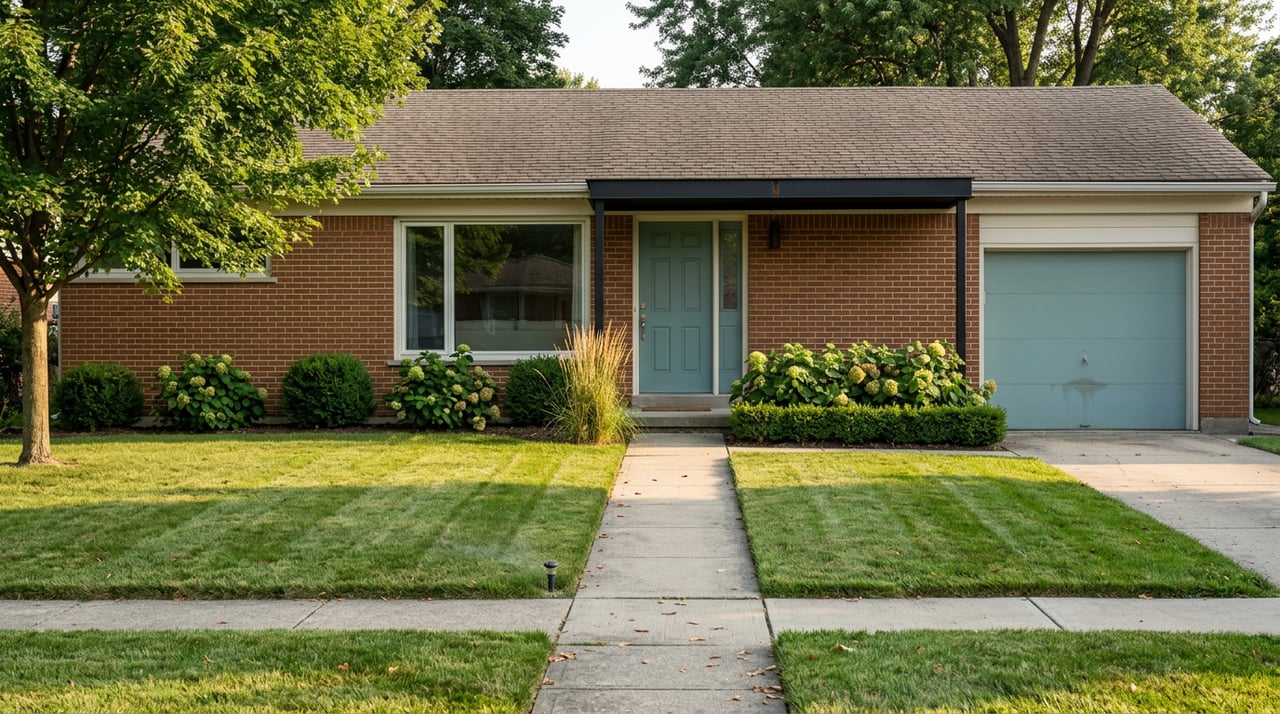
If you look beyond the Arts District, Hyattsville feels less like one single downtown and more like a collection of everyday zones. You have older residential streets, established parks, trail connections, transit-linked shopping areas, and corridors that continue to evolve.
That mix can work well for buyers who want access to DC, daily conveniences, and a neighborhood feel that is still changing over time. It can also create smart opportunities for sellers, especially when a home’s location is framed clearly around the routines it supports.
If you are thinking about buying or selling in Hyattsville or nearby northern Prince George’s County, working with a local agent who can explain not just the map but the day-to-day rhythm can make your decision much clearer. Kim Kash brings calm, organized guidance and strong local market insight to help you move with confidence.
FAQs
What is everyday life in Hyattsville like beyond the Arts District?
- Everyday life in Hyattsville often centers on residential streets, local parks, trail connections, Metro access, and retail areas like University Town Center, The Mall at Prince George’s, and Queens Chapel Shopping Center.
Are all Hyattsville addresses inside the city limits?
- No. The city says some addresses with a Hyattsville postal code are outside the incorporated city, which can affect which agency handles services and infrastructure.
What parks are useful for daily recreation in Hyattsville?
- David C. Driskell Community Park, Melrose Park, and University Hills Duck Pond Park are all useful for everyday recreation, with amenities that include trails, courts, playgrounds, fields, and picnic areas.
How many Metro stations are in Hyattsville city limits?
- Hyattsville has two WMATA Green Line stations within city limits: West Hyattsville and Hyattsville Crossing.
What shopping areas support daily errands in Hyattsville?
- The city identifies the Prince George’s Plaza Transit District and the West Hyattsville Metro corridor as key commercial areas, with major retail concentrated around University Town Center, The Mall at Prince George’s, The Shops at Metro, Belcrest Center, and Queens Chapel Shopping Center.
What should homebuyers know about city services in Hyattsville?
- Homebuyers should know that service and maintenance responsibility can vary by address, since some roads, sidewalks, and related infrastructure are maintained by the city, while others are maintained by Prince George’s County or the State of Maryland.