Looking for a place that feels creative, connected, and easy to enjoy day to day? Hyattsville’s Arts District stands out because it offers more than one main street experience. You get a mix of local restaurants, studios, parks, trails, and transit access, all within a corridor that feels both established and still evolving. If you are wondering what it is actually like to live here, this guide will walk you through the rhythm of daily life. Let’s dive in.
Where Hyattsville's Arts District Begins
When people talk about Hyattsville’s Arts District, they are often referring to the creative stretch along Route 1. In official planning terms, the broader Gateway Arts District spans Mount Rainier, Brentwood, North Brentwood, and Hyattsville. Within Hyattsville itself, the SoHy Design District works best as the downtown creative core inside that larger arts corridor.
That distinction matters if you are home shopping or trying to picture daily life. The area is not one single block with one uniform feel. Instead, it is a collection of nearby blocks with different rhythms, from busier mixed-use stretches to quieter residential streets.
Daily Life in the District
Life here tends to feel active, local, and creative. The district is known for independent businesses, public art, and recurring arts programming that gives the area energy beyond the typical workday. It feels urban in the core, but still tied to neighborhood parks and older side streets.
The SoHy Design District highlights one-of-a-kind shops, breweries, distilleries, restaurants, and street art. Local names in the district include Busboys and Poets, Pizzeria Paradiso, Vigilante Coffee, Streetcar 82 Brewing Co., Sangfroid Distilling, Arrow Bicycle, Pyramid Atlantic Art Center, Art Works Now, and Shagga Restaurant. That mix helps create a lifestyle where grabbing coffee, meeting friends, or spending part of the afternoon exploring local businesses can become part of your normal routine.
Arts Are Part of Everyday Life
In many places, art is something you go out of your way to find. In Hyattsville, it is built into the area’s identity. The City supports creative placemaking and public-art-oriented projects through its Corridor Investment Grant Program, which reinforces how central the arts are to the district.
That shows up in the public realm and in local events. The Hyattsville Arts Festival is a long-running fall event that draws thousands of visitors with live music, local art, craft beverages, and food. Gateway CDC also runs open-studio programming across the Route 1 arts corridor, giving people a chance to step inside working artist spaces.
Food, Coffee, and Casual Meetups
If you like neighborhoods where you can step out for coffee, dinner, or a relaxed drink without driving far, this area has a lot to offer. The district’s mix of coffee shops, breweries, restaurants, and gathering spots gives the neighborhood a social feel without making it feel overly polished or generic.
For many buyers, that is a big part of the appeal. You are not just buying a home near amenities. You are buying into a place where local businesses shape the personality of the neighborhood.
Parks and Outdoor Space Nearby
One of the strongest surprises in Hyattsville is how much green space is woven into daily life. The city lists a wide range of parks and outdoor spaces, including David C. Driskell Community Park, Melrose Park, 38th Avenue Neighborhood Park, University Hills Duck Pond Park, Hamilton Splash Park, Emerson Street Food Forest, and McClanahan Park.
These are not just big destination parks on the edge of town. Many are designed for casual neighborhood use, with features like playgrounds, picnic areas, dog space, a skate park, and walking paths. That makes it easier to fit outdoor time into your week, whether you want a quick walk, a place to relax, or space to spend time outside with friends or family.
Public art even shows up in green spaces. Centennial Park, for example, includes the Vainglorious bluebird sculpture, which is a good example of how art and everyday neighborhood life overlap here.
Trails and Biking Add to the Lifestyle
Hyattsville is also a strong fit if you like getting around by bike or on foot. The city highlights bike parking, Capital Bikeshare stations, and local trails as part of its transportation network. Since 2014, the city says it has added more than 100 yellow bicycle parking spaces through a program with Arrow Bicycle.
The Rhode Island Avenue Trolley Trail extension helps connect Hyattsville with Riverdale Park, College Park, and the Anacostia Tributary Trail System. Along the trail, wayfinding kiosks and trail materials point to bikeable and walkable destinations like Vigilante Coffee, Streetcar 82 Brewing Co., Pizzeria Paradiso, Arrow Bicycle, Franklins Brewery, and Sangfroid Distilling. In practical terms, that helps the corridor feel more connected and usable without relying on a car for every stop.
Commuting and Transit Access
Transit is a real part of the value here, not just a nice extra. Hyattsville sits on WMATA’s Green Line, with West Hyattsville and Hyattsville Crossing both within city limits. The city also notes that the Riverdale MARC stop on the Camden Line is nearby.
For many buyers, that means easier access to Washington and surrounding employment centers. The city says some DC neighborhoods are less than a ten-minute ride away from these stations. Hyattsville is also served by more than a dozen bus routes, which broadens your options if you prefer transit for commuting or everyday errands.
What the Homes Feel Like
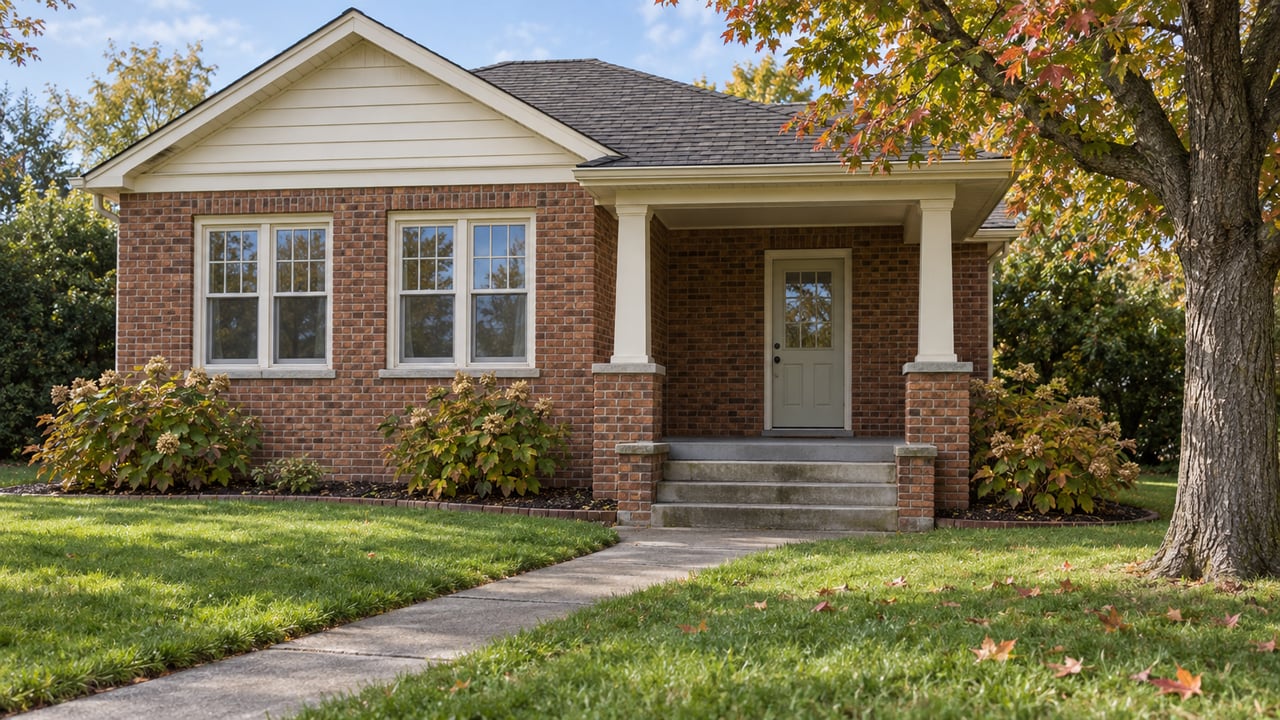
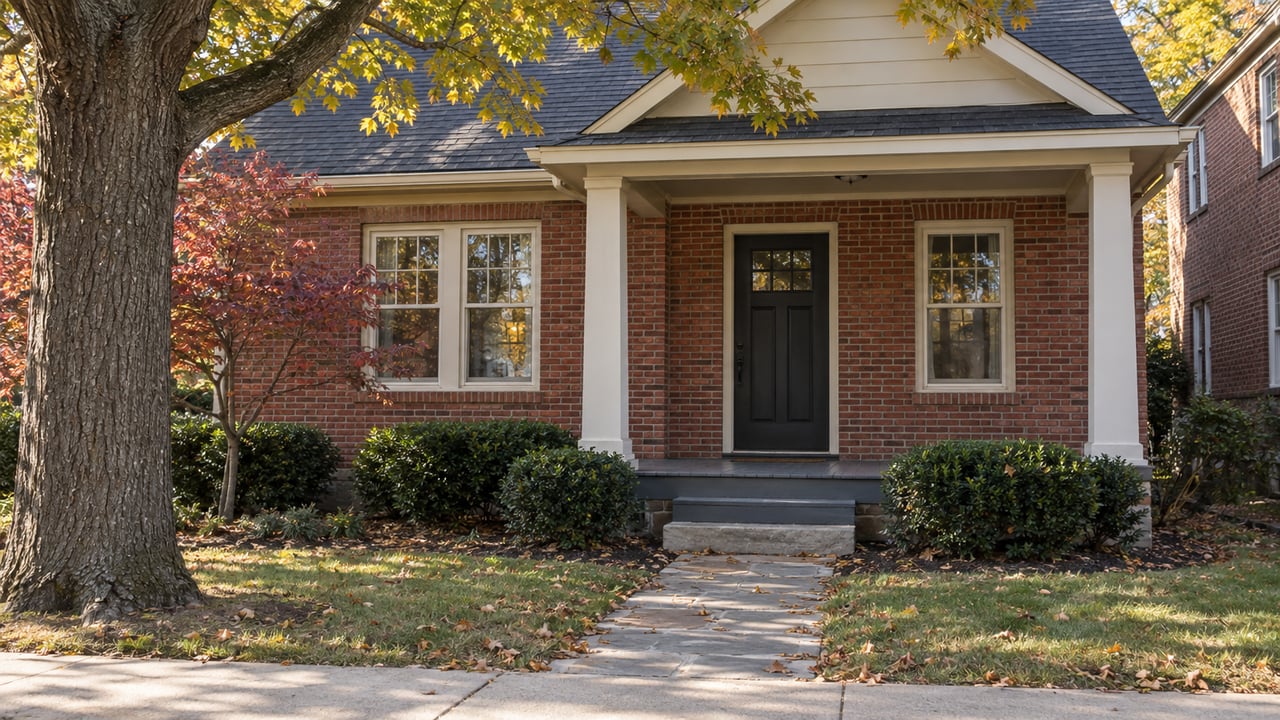
Housing in and around Hyattsville is varied, which is one reason the area attracts different kinds of buyers. The city says you can find apartment complexes, historic houses, and townhome communities. Planning materials for the Gateway Arts District also emphasize mixed-use, pedestrian-oriented development, including residential space above retail and artist live-work uses.
That means your options can look very different from one block to the next. In the core, you may find newer mixed-use development and apartment living. A few streets away, you can find older residential blocks with more established housing patterns and architectural character.
Historic Character Still Shapes the Area
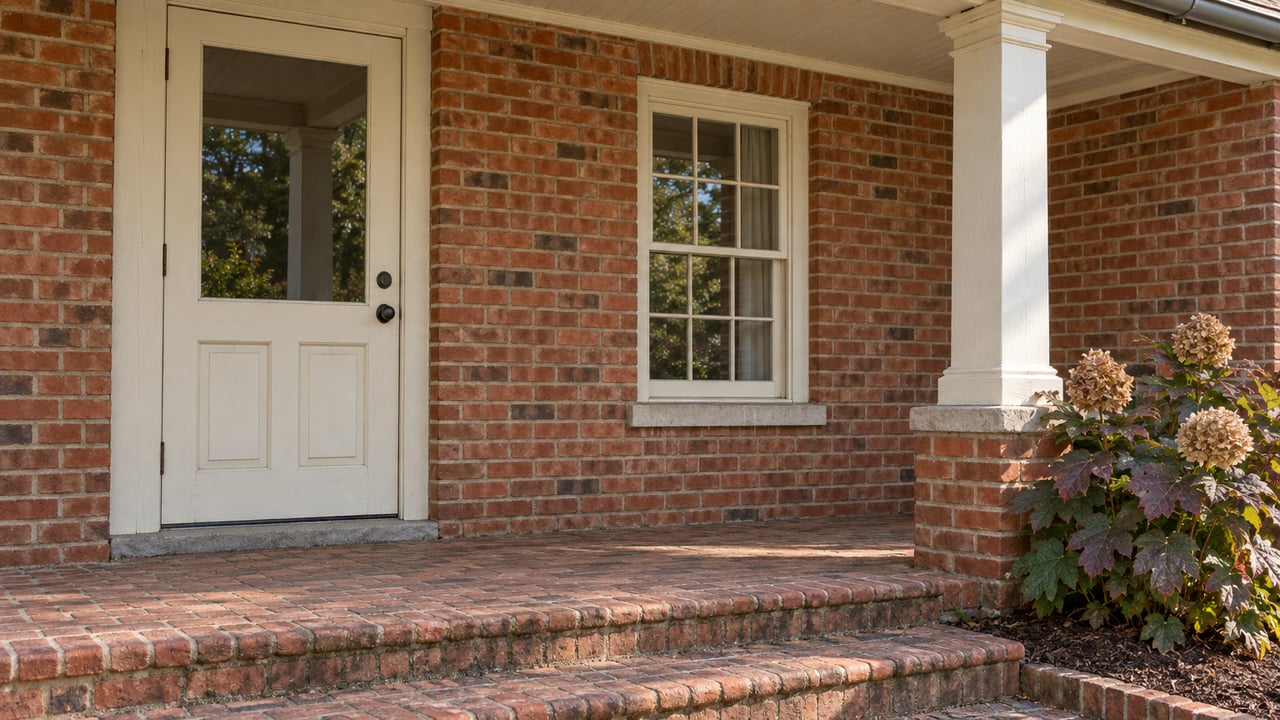
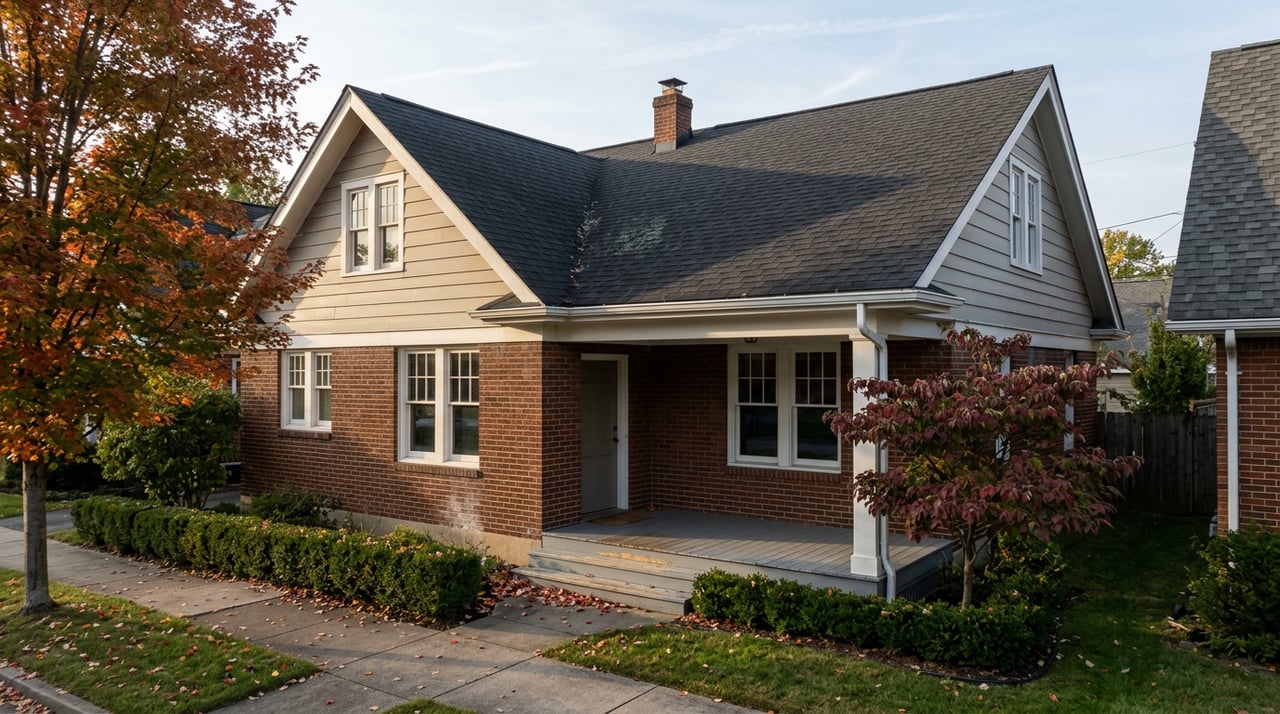
Hyattsville’s historic housing stock is a big part of its appeal. The city says its National Register Historic District was listed in 1982 and includes nearly 1,000 buildings, with styles such as vernacular Victorian, Colonial Revival, Sears homes, and Arts and Crafts influences. The city also notes that Hyattsville is home to more than twenty county historic sites, three National Register properties, and a National Register Historic District.
For you as a buyer, that means the area is not only about new apartments or modern infill. It also offers older homes with character and a sense of place. That combination helps explain why the district can feel both rooted and in transition at the same time.
New Development Is Still Arriving
The neighborhood is still evolving. One current example is Canvas at the Armory, a project that adds 285 apartments and ground-floor retail on Baltimore Avenue. That kind of development reflects the city’s ongoing mixed-use pipeline and reinforces the district’s pedestrian-oriented direction.
If you are considering buying here, it is helpful to think block by block. Some locations will feel more residential and quiet, while others will feel closer to the district’s commercial energy and future development.
What Buyers Should Know
If you are thinking about moving to Hyattsville’s Arts District, the biggest takeaway is that lifestyle can shift a lot depending on the exact location. Some homes put you close to restaurants, art spaces, and transit. Others give you a more classic neighborhood setting while still keeping the corridor’s amenities nearby.
The market context also suggests an active environment. Recent snapshots in the research place citywide pricing roughly in the low-to-mid $400,000s, though different sources measure value differently, so it is best to view that as a range rather than one exact number. The available data also points to a market where homes often move within a couple of weeks and where buyer interest remains steady.
That is why local guidance matters. In a neighborhood with mixed housing types, evolving development, and clear block-by-block variation, it helps to work with someone who can help you compare not just price points, but also daily lifestyle, transit convenience, and long-term fit.
Why Hyattsville Appeals to So Many Buyers
Hyattsville’s Arts District works well for buyers who want more than a bedroom community. It offers a creative identity, local business culture, useful transit, and access to parks and trails. At the same time, it still has established residential streets and a range of housing choices.
That blend is not always easy to find in close-in communities near Washington. If you want a place where you can enjoy coffee shops, public art, green space, and transit in the same week without giving up neighborhood character, Hyattsville deserves a closer look.
If you are exploring Hyattsville or comparing it with other Prince George’s County neighborhoods, Kim Kash can help you understand the block-by-block differences and find the right fit for your goals.
FAQs
What is the difference between the Gateway Arts District and SoHy Design District in Hyattsville?
- The Gateway Arts District is the broader Route 1 arts corridor spanning multiple communities, while SoHy Design District is the downtown creative core within Hyattsville.
What is daily life like in Hyattsville’s Arts District?
- Daily life usually includes a mix of local restaurants, coffee shops, art spaces, public art, parks, and community events, with a more active feel in the core and quieter residential streets nearby.
What kinds of homes are available near Hyattsville’s Arts District?
- Housing options include apartment complexes, historic houses, townhome communities, and mixed-use residential buildings near the district core.
Is Hyattsville’s Arts District good for commuting?
- Hyattsville has strong transit access with two Green Line stations within city limits, nearby MARC access, more than a dozen bus routes, and bike infrastructure that supports car-light living.
Are there parks and trails near Hyattsville’s Arts District?
- Yes, the city includes multiple parks, neighborhood green spaces, and trail connections, including the Rhode Island Avenue Trolley Trail extension and links to the Anacostia Tributary Trail System.