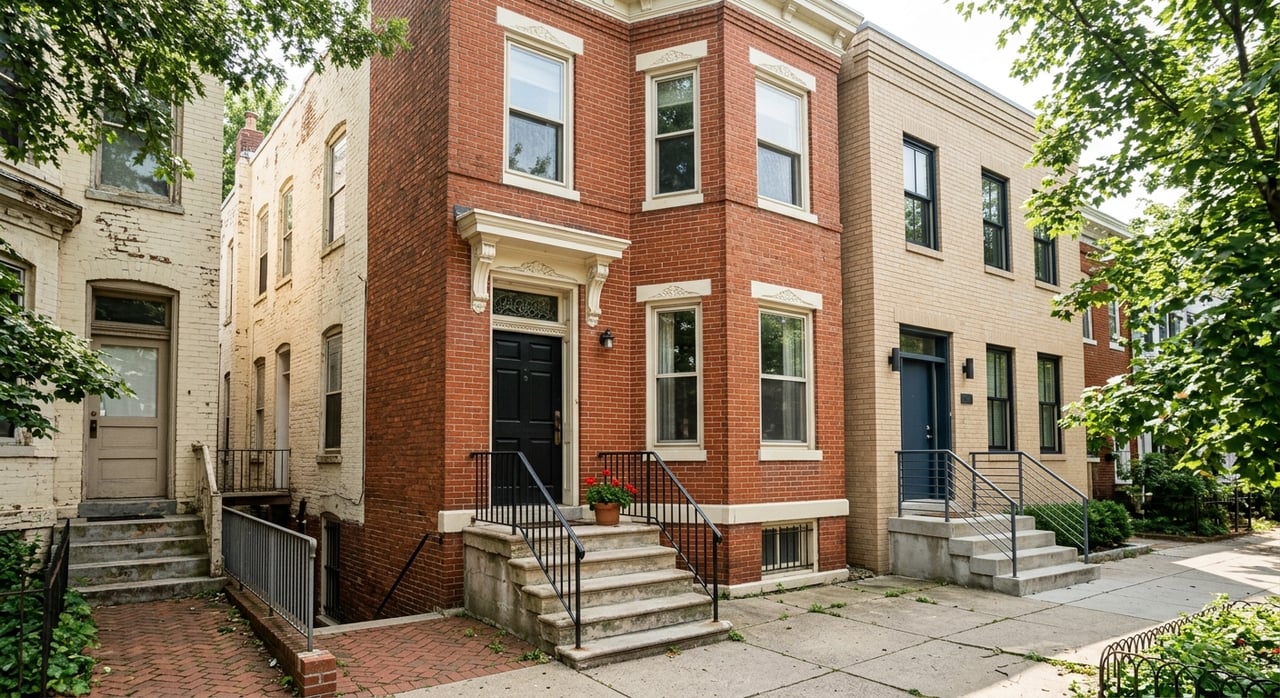
Buying near H Street can feel exciting and a little tricky at the same time. You get access to one of DC’s most active mixed-use corridors, but you also need to look closely at block-by-block differences, building type, monthly costs, and noise. If you want a smart, grounded way to evaluate homes near H Street, this guide will help you focus on what matters most before you make an offer. Let’s dive in.
Why H Street feels different
H Street NE is not just one simple neighborhood strip. District planning materials describe it as both a historic commercial district and an official Great Streets corridor, with retail, dining, nightlife, arts, culture, and ongoing mixed-use development.
That mix is a big part of the appeal for buyers. It also means the area does not behave like one uniform housing market. Depending on which planning source you review, the corridor may stretch from Union Station to 17th Street NE or focus more tightly on 3rd Street NE to 15th Street NE.
For you as a buyer, that means location details matter. A home a few blocks away from one entertainment node may feel very different from a home near a quieter residential stretch.
Know the micro-locations
One of the smartest ways to shop near H Street is to think in micro-locations instead of using one broad label. The corridor developed historically as a major commercial and transportation artery, and that history still shows up in the built environment today.
You may see older commercial buildings, landmark structures, rowhouse blocks, and newer mixed-use buildings within a short walk of each other. That variety can be a real advantage if you want options, but it also means you should evaluate each property in context, not just by ZIP code or neighborhood name.
When you tour, pay attention to the immediate surroundings. Look at what is on the ground floor nearby, how busy the block feels during the day and evening, and whether the home sits on a main corridor, side street, or rear-facing section of a building.
What homes near H Street look like
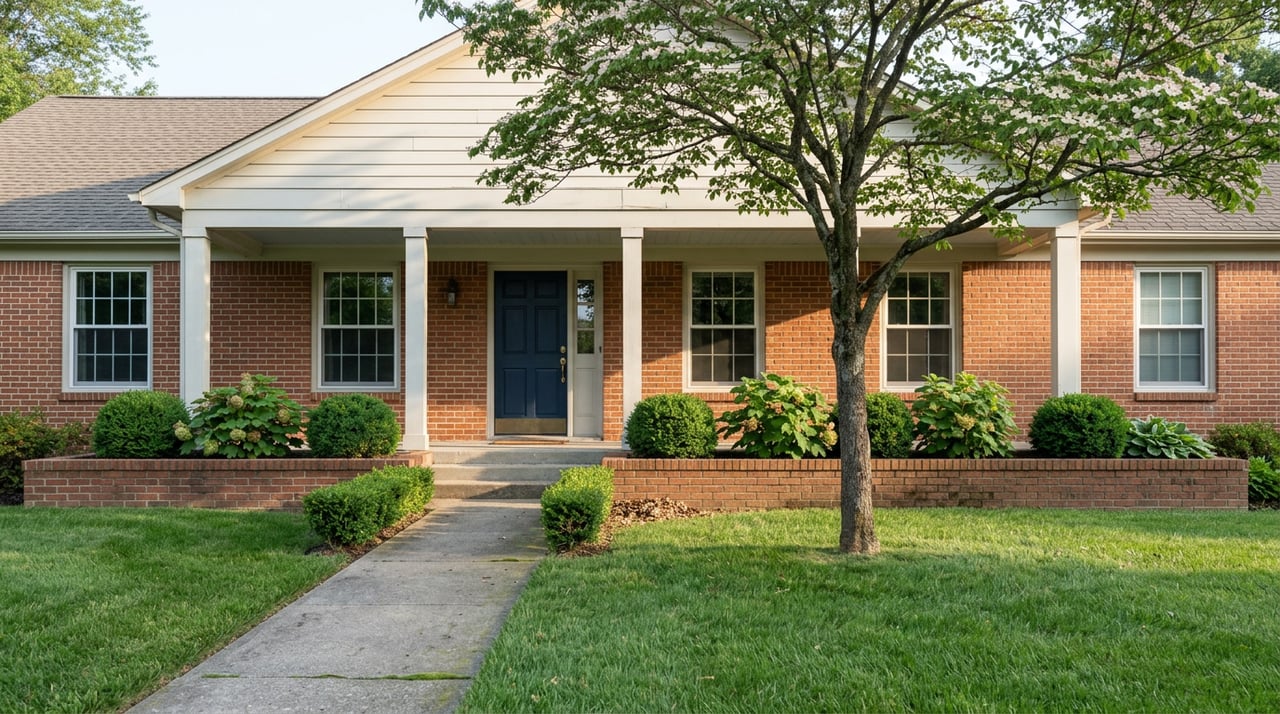
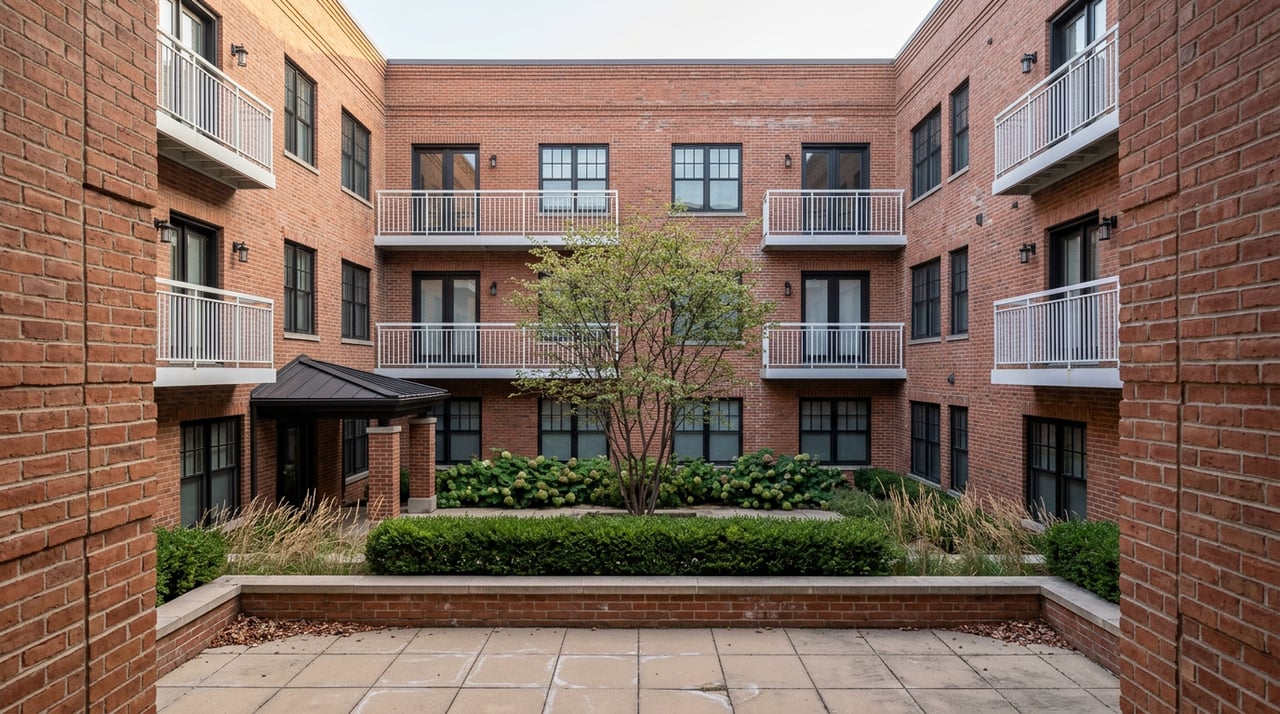
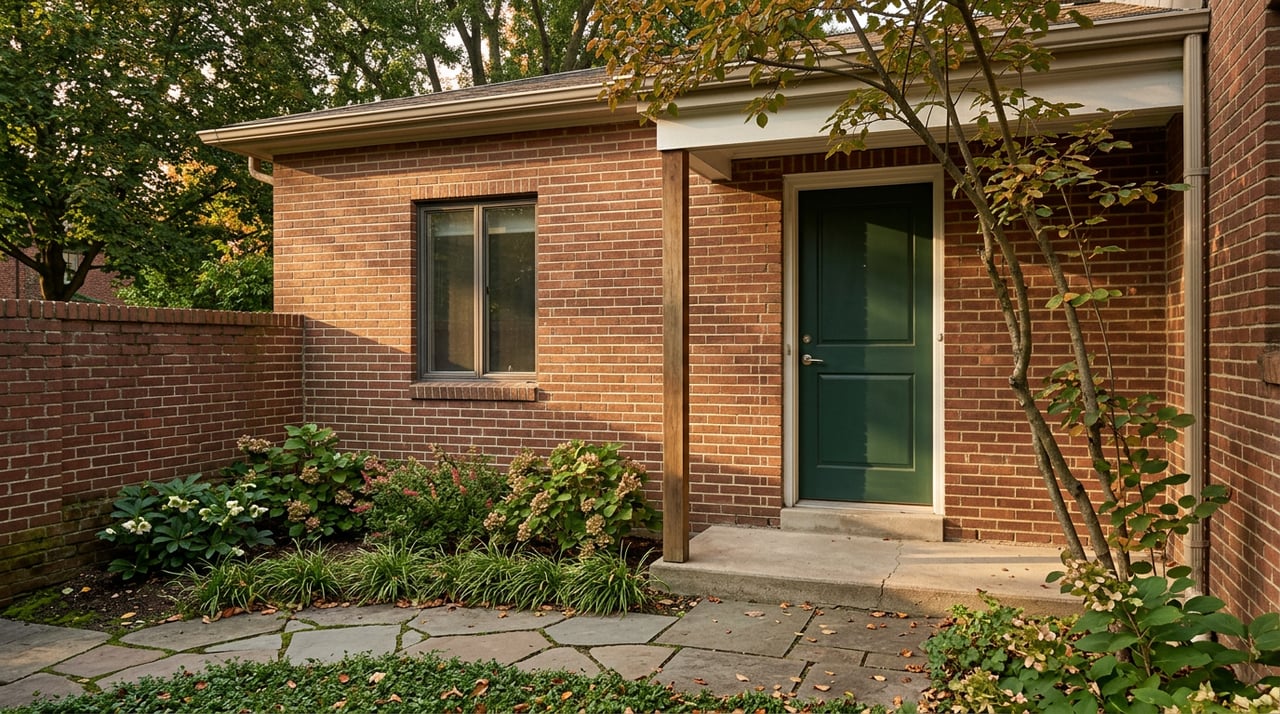
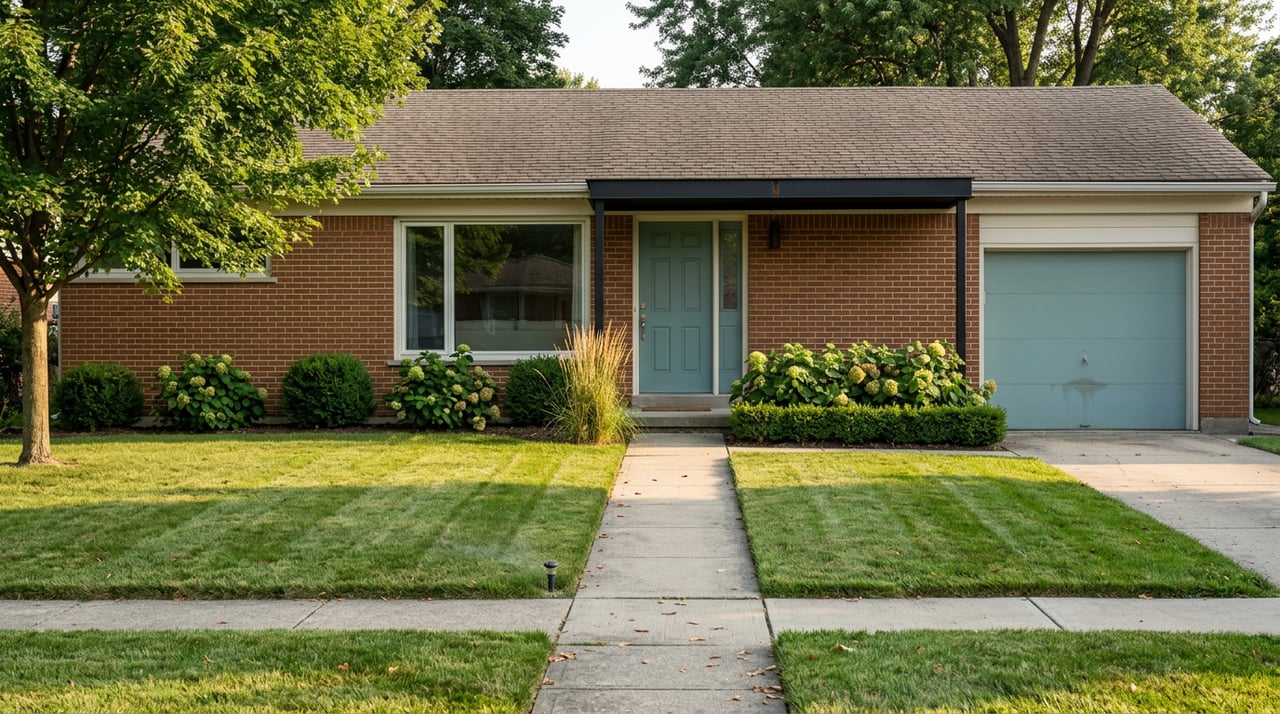
The housing stock near H Street usually includes a mix of renovated rowhouses and newer condominium buildings in mixed-use settings. In practical terms, you may be choosing between very different ownership and maintenance experiences even within the same price range.
A rowhouse may offer more privacy, more direct control over your property, and fewer shared building decisions. A condo may offer newer construction or a lower-maintenance setup, but it can also come with added rules, monthly dues, and building-level financial considerations.
That is why the exact building type matters just as much as the address. Two homes on nearby blocks can carry very different long-term costs and day-to-day tradeoffs.
Budget beyond the mortgage
If you are considering a condo or a home in an association, make sure you treat monthly dues as part of your true housing payment. Those dues are typically paid separately from the mortgage, and they can range from a few hundred dollars per month to more than $1,000.
That is not a small detail. A home that looks affordable at first glance can feel very different once you factor in association dues, insurance, taxes, and any parking costs.
Before you fall in love with a unit, ask for a full monthly cost picture. That simple step can help you avoid stretching your budget or comparing homes on incomplete numbers.
What DC condo buyers should review
District law gives condo resale buyers important disclosure rights, and those documents are worth careful review. On a resale, the seller must provide condominium instruments and a certificate with key details such as reserves, capital expenditures, the current operating budget, pending suits or judgments, insurance coverage, and any leasehold term.
Those items matter because they affect both your monthly costs and your future resale position. A building with thin reserves or major planned projects may create added costs later, while pending litigation can raise separate questions that need attention before closing.
If the required documents are not delivered on time, buyers have a limited right to cancel. That makes the document review period more than a formality. It is one of your best opportunities to understand what you are really buying.
Key condo questions to ask
- What are the current monthly condo or HOA dues?
- How much does the association hold in reserves?
- Are there planned capital projects or major repairs coming?
- Is there any pending litigation, judgment, or insurance issue?
- Is the property a leasehold interest?
- Is parking included, limited, or sold separately?
Ask whether a home has affordability restrictions
Some newer projects in DC may be tied to District affordability programs. If a home is part of Inclusionary Zoning or the Affordable Dwelling Unit program, there may be requirements tied to eligibility, occupancy, resale, and owner responsibilities.
For example, the District says most Inclusionary Zoning homes are offered by lottery, and buyers of IZ condos or townhomes must complete a two-hour IZ orientation and an approved eight-hour homebuyer class. Owners also must live in the home as a primary residence.
DHCD also notes that ADU owners generally remain responsible for condo or HOA fees and may face resale and occupancy restrictions under the covenant. If you are considering newer construction, ask clearly whether the unit is market rate, IZ, or ADU before you move forward.
Transportation has changed
Transportation is still one of the main draws near H Street, but the current picture looks different than it did in past years. DC Streetcar service ended on March 31, 2026, and DDOT says it is coordinating with WMATA on alternatives, including the D20 bus.
WMATA currently lists D20 H St stops along the corridor, and Union Station remains a major nearby connection point. Depending on your routine, access to Union Station can mean connections to the Red Line, Amtrak, MARC, VRE, Greyhound, and bikeshare.
If commuting or car-light living matters to you, test the route in real time. A listing may say it is near transit, but your experience can vary based on the exact block and how often you need to connect beyond H Street itself.
Noise is a real buying factor
H Street’s energy is part of its identity, but it can also bring more sound than some buyers expect. The corridor’s mix of restaurants, taverns, nightlife, retail, and ongoing development means noise should be part of your home search, not an afterthought.
District noise rules set different nighttime limits by zone, and residential zones generally have lower limits than commercial or light-manufacturing areas. ABCA also says licensed establishments like restaurants, taverns, nightclubs, hotels, and multipurpose facilities cannot produce sound heard outside the establishment.
Construction can add another layer. DC allows construction Monday through Saturday from 7 a.m. to 7 p.m. without a special permit, so active blocks may be louder during periods of build-out.
How to evaluate noise before you buy
- Visit the block during the day and again in the evening.
- Ask whether the unit faces the street, an alley, or the rear.
- Check whether the home sits above retail or near an active entertainment cluster.
- Ask about window quality and insulation.
- Notice nearby construction activity or vacant storefront turnover.
A rear-facing or interior unit may live very differently from a street-facing unit above a busy commercial stretch. Near H Street, that distinction can shape your comfort more than square footage alone.
Older homes need a different checklist
If you are drawn to a rowhouse or older building, focus on condition and approval history. Ask about roof age, major systems, insulation, window quality, and whether prior alterations were properly permitted.
That is especially important in an area where historic structures and older building fabric are part of the landscape. A charming older home can be a great fit, but only if you understand its maintenance profile and improvement history.
If the property is in a historic district or is an individually designated landmark, confirm that status with DC’s Historic Preservation Office. Historic designation can affect exterior changes, so it is worth knowing early if future projects matter to you.
Newer construction needs its own review
With newer buildings, the focus shifts a bit. You will still care about monthly costs and location, but you should also ask clear questions about ownership rules and what is actually included.
Find out whether the unit is market rate, IZ, or ADU. Ask whether there are rental limits, primary-residence requirements, resale controls, or parking arrangements that affect flexibility and cost.
In a mixed-use corridor, those details can shape both your day-to-day ownership experience and your future options. Clear answers up front can save you time and stress later.
Balance convenience with tradeoffs
For many buyers, H Street offers a compelling mix of urban convenience, culture, and access. But the corridor also comes with more noise, more turnover, and more variation from block to block than some other DC areas.
That is not a reason to avoid it. It is simply a reason to shop carefully and compare homes with the full picture in mind.
If you approach the search with a clear checklist, you can separate a home that looks good online from one that truly fits your budget, routine, and comfort level. That kind of practical review is what helps you buy with confidence.
If you want calm, organized guidance as you compare condos, rowhouses, and mixed-use options near H Street, Kim Kash can help you make sense of the details and move forward with a clear plan.
FAQs
What kinds of homes can you buy near DC’s H Street Corridor?
- You will typically find renovated rowhouses, older residential buildings, and newer mixed-use condominium projects, with housing types changing quickly from block to block.
What should you know about condo fees near H Street Corridor homes?
- Condo or HOA dues are usually separate from your mortgage and can range from a few hundred dollars a month to more than $1,000, so you should include them in your true monthly budget.
What condo documents should buyers review for H Street Corridor properties in DC?
- On a resale condo purchase, you should review the condominium instruments and certificate covering reserves, budget, capital expenditures, pending suits or judgments, insurance coverage, and any leasehold term.
What transportation options serve homes near H Street Corridor?
- DC Streetcar service ended in 2026, and current access includes WMATA’s D20 H St service plus nearby Union Station connections to the Red Line, Amtrak, MARC, VRE, Greyhound, and bikeshare.
How should buyers evaluate noise near H Street Corridor homes?
- You should visit at different times of day, note whether the home faces the street or rear, and consider nearby retail, nightlife, and construction activity before making an offer.
What should buyers verify in older H Street Corridor rowhomes?
- Ask about permit history, roof and system ages, window quality, insulation, and whether the property is in a historic district or is an individually designated landmark.
What should buyers ask about newer H Street Corridor condos?
- Ask whether the unit is market rate, Inclusionary Zoning, or ADU, and confirm any primary-residence rules, resale restrictions, rental limits, parking terms, and association costs.